San Juan is the most accessible entry point into Puerto Rico, but it’s not a soft landing. It’s dense, humid, colorful, loud, and packed tight with history. This San Juan Puerto Rico Travel Guide is built to help you decide what’s actually worth your time inside the capital and what you can skip without regret.
If you’re building a full island itinerary, start here: Puerto Rico Travel Guide. San Juan sets the tone, but it doesn’t represent the entire island.
What San Juan Puerto Rico Actually Feels Like
San Juan feels layered. Spanish colonial architecture, cruise ship crowds, ocean wind, street music, scooters weaving through traffic, and fort walls rising above the Atlantic.
Old San Juan is compact and walkable. You don’t need a car inside the historic district. In fact, parking becomes a liability. Streets are narrow, cobblestones are uneven, and traffic can bottleneck quickly. Walking works best. Scooters are everywhere if you want speed, but on foot is the right pace.
It’s not polished quiet charm. It’s active and tight and constantly moving.
Old San Juan Puerto Rico: History Without Filters
Old San Juan is where most visitors spend their time, and for good reason. The streets feel European. Buildings are painted in saturated blues, yellows, and pinks. Balconies hang over narrow roads. You can cover the core area in a day, but you’ll likely want more time to wander without a checklist.
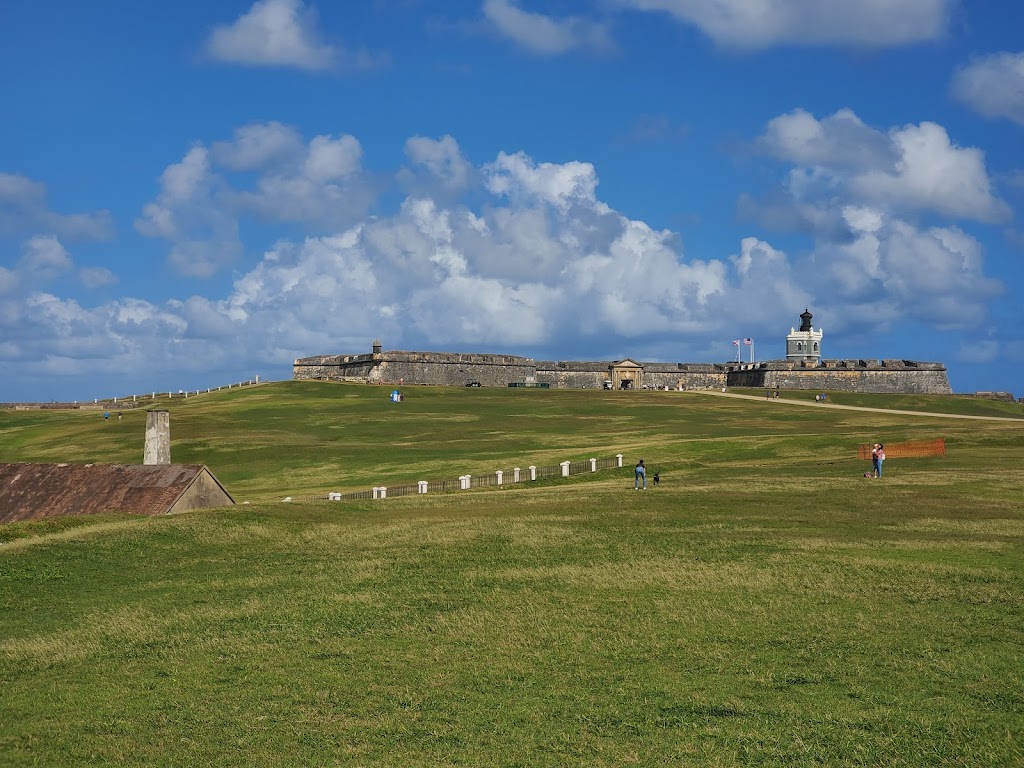
The highlight is Castillo San Felipe del Morro. The fort isn’t just a historical structure; it’s scale and wind and ocean exposure. Standing on the edge of those walls with the Atlantic crashing below makes it clear why this location mattered strategically.
Nearby, Castillo San Cristóbal adds another layer of fortification and perspective. If you’re choosing only one, El Morro usually wins on visual impact. If you have time, both are worth it.
Is San Juan Puerto Rico Worth the Trip?
If you’re already in Puerto Rico, yes. If you’re deciding whether to leave San Juan and explore the rest of the island, also yes.
San Juan works best as a one- to four-day experience at the beginning or end of your trip. It gives you colonial architecture, coastal views, nightlife, and food density in a compact zone. What it does not give you is rainforest, surf-town calm, or wide-open solitude.
It’s an urban coastal capital. Treat it that way.
Beaches in San Juan Puerto Rico
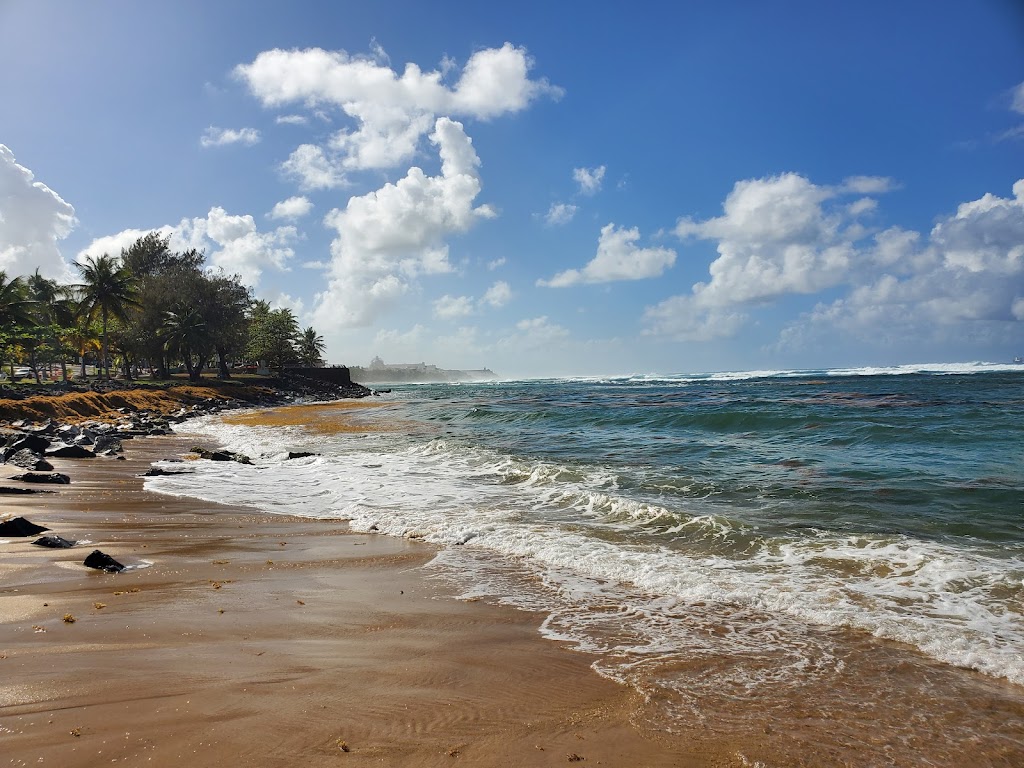
San Juan beaches are convenient, not remote. Condado Beach and Isla Verde offer easy access and decent water, but they’re not hidden paradise coves. Expect people. Expect hotel towers nearby. They’re good for quick ocean access, not wilderness escape. The north side can get rough. When we were there, the north was rough, but in the south, was calm.
If your goal is empty coastline, you’ll need to leave the metro area.
Where to Eat in San Juan Puerto Rico
San Juan has range, but it also has tourist traps. Restaurants cluster heavily in Old San Juan and Condado, and not all are equal. After walking the fort walls and sweating through cobblestones, simple food hits harder than overdesigned dining rooms.
One place that stood out was Takería. It’s casual and loud in the right way, with tacos that feel satisfying after a long day on your feet. It’s not trying to be upscale. It just works.
For the full food breakdown, I covered it separately here:
Takería: A Must-Try Restaurant for Taco Lovers in San Juan, PR
San Juan’s food scene deserves its own deep dive, but for a reliable stop during a packed itinerary, this one earns a mention.
Nightlife and Energy
At night, San Juan stays active. Bars fill quickly, especially in peak season. Music spills into streets. Walking between spots is easy if you’re staying near Old San Juan or Condado.
Off-season, the tempo slows slightly but never disappears completely. Cruise ship schedules can dramatically change daytime density, so check port calendars if crowd levels matter to you.
What Will Disappoint You
San Juan can feel crowded in summer. Prices are not budget-tier in tourist zones. Parking frustration is real. And if you’re expecting a calm, sleepy colonial town, you’ll feel overwhelmed instead.
Humidity is constant. Shade is limited in certain areas. Water and sunscreen are not optional.
Who Should Skip San Juan
If you hate crowds, avoid peak cruise days. If you need wide-open nature as your primary travel mode, plan to spend minimal time here and head toward El Yunque or the west coast instead.
San Juan is not wilderness. It’s culture and density.
Guided Tours (If You Want to Skip the Guesswork)
San Juan can feel chaotic at first. Tight streets, crowds, a lot to see, and not always clear where to start. If you don’t want to spend half your time figuring it out, guided tours exist for a reason.
San Juan: Old San Juan Guided Walking Tour
- ~2 hours
- Highly rated (4.9 from 250+ reviews)
- Covers the core of Old San Juan without wandering aimlessly
- Includes stops like the San Juan Gate, Cathedral, and historic streets
Book the walking tour: San Juan Guided Walking Tour
Real talk:
If you like exploring at your own pace, skip it and just walk.
If you want a structured intro to the city without thinking too much, this is an easy win.
Traveler’s Checklist: San Juan Puerto Rico Travel Guide
Walk Old San Juan instead of driving
Tour at least one major fort
Hydrate constantly
Expect uneven cobblestones
Visit early morning or late afternoon to avoid peak heat
Pair San Juan with other island regions
Q&A: San Juan Puerto Rico Travel Guide
How many days do you need in San Juan?
One to four days is ideal for Old San Juan, fort tours, and a beach visit.
Is San Juan walkable?
Yes, especially Old San Juan. A car is unnecessary inside the historic core.
Are the forts worth visiting?
Yes. El Morro especially delivers scale and ocean views that justify the time and ticket price.
Is San Juan safe for tourists?
Generally yes in main tourist zones. Like any city, stay aware, especially at night outside high-traffic areas.
Should you stay only in San Juan for your Puerto Rico trip?
No. It’s a strong starting point, but the island’s diversity is outside the metro area.
Are there guided tours in San Juan?
Yes. Walking tours, food tours, and excursions are widely available. If you want an easy introduction to Old San Juan without planning every stop, a guided tour is worth considering. See all San Juan tours.
Stroup Verdict
Drive Time Worth It: ★★★★☆
Time Needed: 1–4 days
Crowd Tolerance: High in peak season
Photogenic: Very high
Would I Go Back: Yes, especially as part of a full island loop
Who Should Skip: Travelers seeking isolation and quiet coastline
San Juan sets the stage. It gives you history, architecture, and ocean wind in tight proximity. Just don’t confuse it with the entire island. For that, go back to the full Puerto Rico Travel Guide and start planning the loop properly.