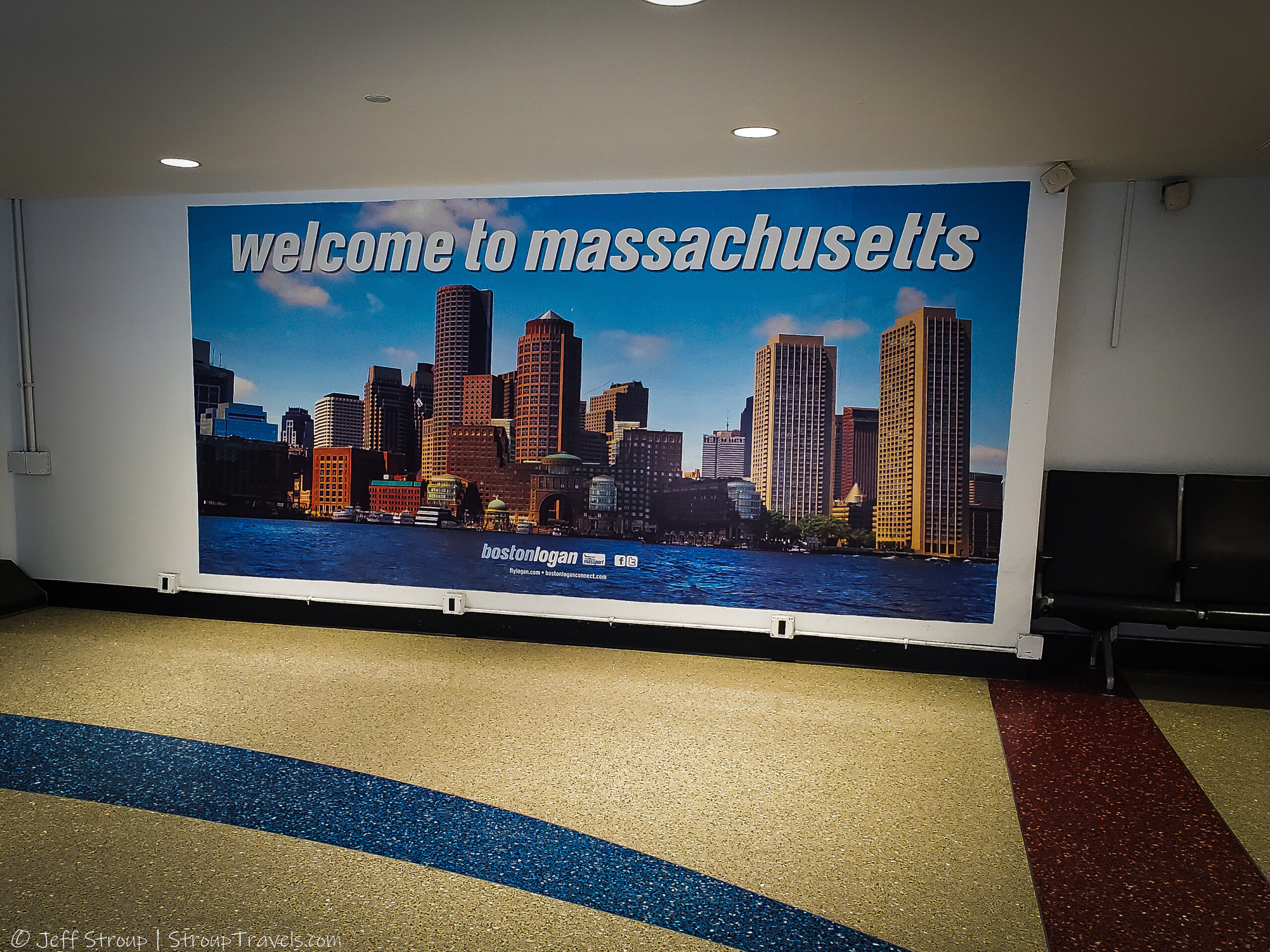
Massachusetts carries some of the deepest historical weight in the United States. From the founding of the country to Revolutionary War landmarks and historic waterfront cities, the state feels layered with American history everywhere you walk.
I have explored Boston and the Fall River area so far, and even with just those stops it is obvious how much Massachusetts has to offer. Boston alone can fill multiple days with historical sites, museums, and iconic sports venues. Outside the city, coastal towns and naval history add even more depth.
This Massachusetts travel guide highlights the places I’ve visited so far and will expand as I explore more of the state.
Boston
Boston is one of the most historically dense cities in America. It feels like walking through a national park that happens to be a functioning modern city.
Old brick buildings and Revolutionary War sites sit directly next to modern skyscrapers. You can walk past a 300-year-old landmark and a glass office tower within the same block.
Boston is also one of the most walkable major cities in the United States. If you plan your route well, you can cover most major historical sites on foot.
The Freedom Trail
The centerpiece of Boston history is the Freedom Trail.
This 2.5-mile path begins at Boston Common and ends across the Charles River at the Bunker Hill Monument.
You don’t need a map to follow it. A red brick line embedded in the sidewalks guides you the entire way.
Along the route you’ll pass major landmarks including:
- Faneuil Hall
- Old State House
- Old South Meeting House
- Paul Revere House
- Granary Burying Ground
Samuel Adams is buried in Granary Burying Ground, which sits just steps away from the Freedom Trail.
Bring walking shoes. The distance adds up, but the route is manageable if you take your time.
When you reach Charlestown, finish the trail by visiting the USS Constitution at the Charlestown Navy Yard.
Boston’s Chinatown
Just a few blocks from Boston Common sits Boston Chinatown, one of the more interesting cultural pockets in the city.
It feels exactly how you would picture a Chinatown. Bright red gates, dense streets packed with restaurants, bakeries, and small markets. The smells alone will pull you in if you wander through the neighborhood while exploring downtown.
It’s a quick detour from the Freedom Trail and a good place to grab something to eat if you want a break from the historical landmarks.
North End and Regina Pizza
If you keep walking the Freedom Trail toward the waterfront, you’ll eventually land in Boston’s North End, the city’s historic Italian district.
The streets get tighter, the restaurants get louder, and the smell of garlic and pizza starts following you around the block. One of the most famous stops here is Regina Pizzeria.
I stopped here during my visit, and the place lives up to the reputation. Classic Boston pizza, old-school interior, and the kind of line that tells you you’re in the right place.
If you want the full breakdown of the food scene, I covered it separately here:
Best Pizza in Boston: Regina Pizzeria Review (coming soon)
Boston Sports and Culture
Boston is also one of the strongest sports cities in the country.
Catching a game at Fenway Park is an experience on its own. The stadium feels historic the moment you walk in. It’s one of the oldest active ballparks in Major League Baseball and still carries that classic atmosphere. Interested in touring Fenway Park? Tickets start at $20 and sell out quick.
Basketball and hockey fans can head to TD Garden, home of the Boston Celtics and Boston Bruins.
Getting Around Boston
Driving in Boston is chaotic. I thought Puerto Rico was bad.
The streets are tight, the layout is confusing, and pedestrian traffic is constant. If you are flying into the city and staying downtown, skip the rental car.
Boston’s subway system, known as the MBTA, is surprisingly easy to use and connects most major parts of the city. It’s the easiest way to get from the airport into downtown Boston and around the city once you arrive.
Walking and public transit are the best combination for exploring Boston.
Where to Stay in Boston
If you want to stay in the center of the historic district, the Omni Parker House is one of the most iconic options.
This hotel has hosted political leaders, writers, and historical figures for more than a century. Staying here places you directly in downtown Boston within walking distance of the Freedom Trail, Boston Common, and several other historic landmarks.
That said, it’s an old building. Rooms can feel cramped, especially if more than one person is staying with you. If historic charm isn’t your thing, you might be better off choosing a more modern hotel and just stopping by to see the building.
The Last Hurrah, located on the first floor, is an easy place to grab a quick bite or a drink if you’re already in the area.
Looking for more to do around Boston? Boston Travel Guide: What’s Actually Worth Seeing
Fall River and Battleship Cove
About an hour south of Boston sits Fall River.
The biggest attraction here is Battleship Cove.
Battleship Cove is exactly what it sounds like. It’s a waterfront museum complex where visitors can explore multiple historic naval ships including the massive USS Massachusetts.
The area also includes memorials, a small park, and waterfront views.
It’s an easy stop if you are traveling between Rhode Island and southeastern Massachusetts.
If you’re continuing south toward Newport or Providence, this makes a natural quick detour.
Heading into Rhode Island next?
Rhode Island Travel Guide: Mansions, Lighthouses, and Coastal Grit
Nearby you’ll also find the Lizzie Borden House, which operates as both a museum and bed-and-breakfast tied to the infamous 1892 murder case.
Massachusetts Travel Strategy
Massachusetts is best explored by region.
Boston can easily fill two or three days with historical sites alone. Coastal areas like Fall River and other South Shore towns add maritime and naval history to the mix.
You can combine:
- Boston history + Freedom Trail in a long weekend
- Battleship Cove with Rhode Island coastal stops
- Boston sports with historical sightseeing
Massachusetts packs an enormous amount of American history into a relatively small geographic area.
Quick Questions About Visiting Massachusetts
Is Boston walkable?
Yes. Boston is one of the most walkable major cities in the United States.
How long does the Freedom Trail take?
Plan 3–4 hours depending on how many sites you stop inside.
Should you drive in Boston?
No. Walking and subway transit are much easier.
Is Battleship Cove worth visiting?
Yes, especially for naval history fans or travelers moving between Rhode Island and Massachusetts.
Stroup Verdict
Drive Time Worth It: ★★★★☆
Best For: American history and walkable city exploration
Time Needed: 2–3 days for Boston alone
Crowd Level: Moderate to heavy in peak seasons
Photogenic: Historic architecture everywhere
Massachusetts feels like walking through the early chapters of the United States.
And Boston sits right in the middle of it.