American history isn’t locked in textbooks. It’s spread across the country in places you can actually stand in, walk through, and experience American history sites for yourself.
From the streets of Boston where the Revolution took shape, to quiet riverbanks in Virginia where leaders like George Washington were born, to massive Civil War battlefields that still stretch for miles, the story of the United States is still physically here.
What stands out most when you start visiting these places is the scale. Events that feel compact when you read about them are spread across entire regions when you experience them in person. Distances that take hours to drive today once took days or weeks to cross.
This guide breaks down American history through places you can visit, starting with the country’s early foundations, moving through its defining conflicts, and connecting locations across states that still carry the weight of what happened there.
You’re not just reading about history here. You’re standing in it.
American History Sites: Founding America
Before the Civil War, before expansion west, the country was just starting to figure itself out. A few key locations still remain where those early stories began.
George Washington Birthplace
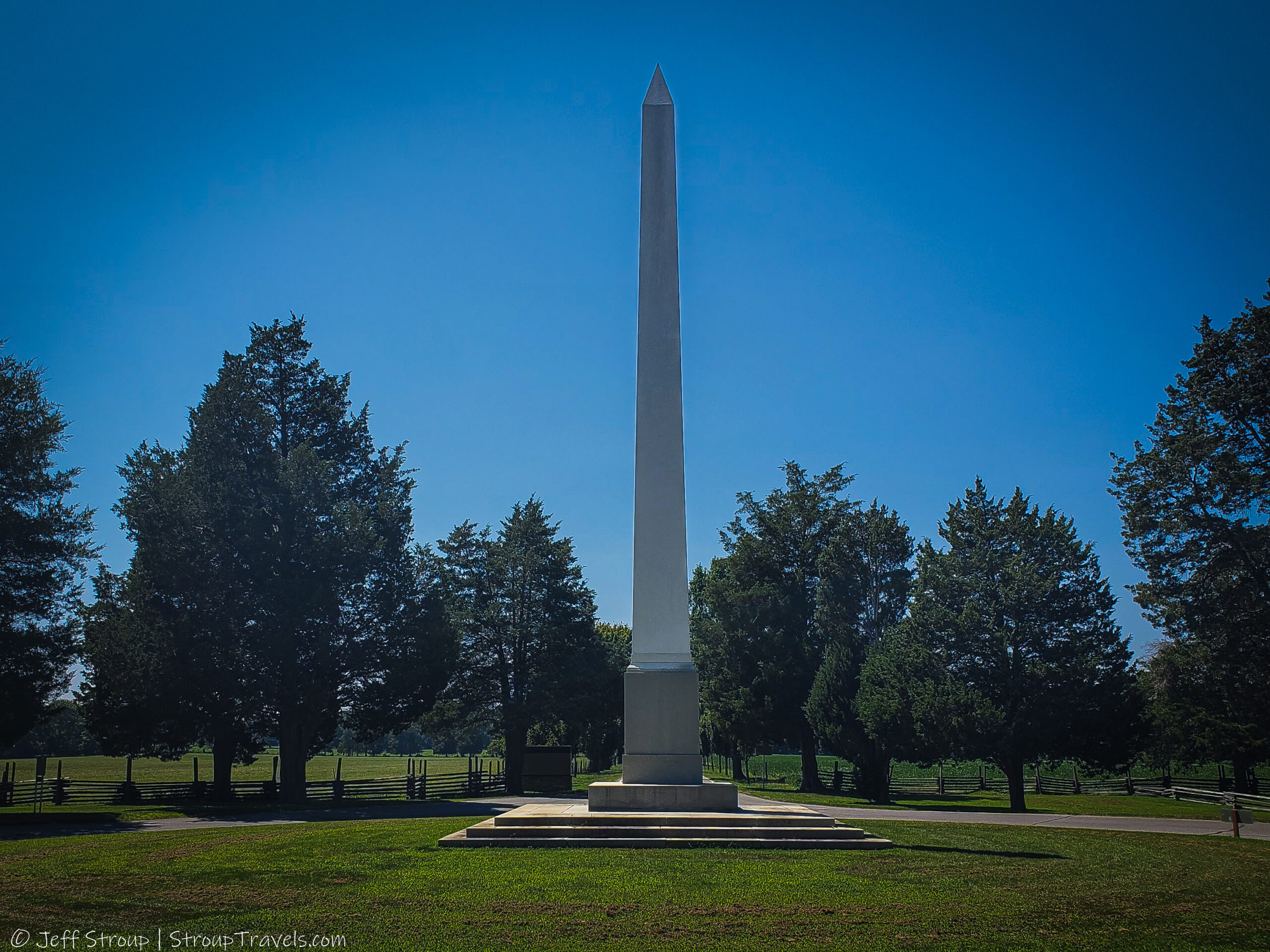
George Washington Birthplace National Monument marks where the first president of the United States was born.
It’s not a massive destination, but standing along the Potomac River where Washington’s early life began puts things into perspective. The site is quiet, simple, and doesn’t try to oversell itself.
Read the full guide: George Washington Birthplace: Is It Worth Visiting?
George Washington’s Bathtub
Berkeley Springs State Park is home to one of the more unexpected historical stops.
Known as George Washington’s Bathtub, this small stone pool marks where Washington reportedly bathed in the natural mineral springs as a young man. It’s not some massive landmark. It’s literally a tub. But that’s kind of the point.
It’s quick, weird, and oddly memorable. One of those places where you show up, look at it for a few minutes, and move on, but still end up talking about it later.
Full guide: George Washington’s Bathtub in Berkeley Springs: Is It Worth It?
Thomas Stone National Historic Site
This National Historic Site represents another piece of early American history that’s easy to overlook.
Thomas Stone was one of the signers of the Declaration of Independence, and this site preserves his former home and surrounding land. The property is quiet and spread out, with a short walk leading up to the house.
It’s not packed with attractions, but it gives a solid look into the life of one of the country’s founding figures without crowds or distractions. You can also learn a little about the birth of Maryland.
Full guide coming soon: Thomas Stone National Historic Site
American History Sites: Birth of a Nation
Some of the most important moments in early American history happened in and around Boston. Unlike many historic sites that are spread out, Boston compresses a huge amount of history into a walkable area.
Boston
Boston is one of the most historically dense cities in the United States.
Walking the city feels like moving through a timeline. Colonial buildings sit next to modern skyscrapers, and major historical landmarks are connected by the Freedom Trail, a marked path that takes you through key locations tied to the American Revolution. A great way to reach your step goals.
You can start in Boston Common and follow the trail through sites like the Old State House, Old South Meeting House, Paul Revere House, and across the Charles River to the Bunker Hill Monument.
Unlike many historical destinations, Boston isn’t a single stop. It’s an entire city built around the country’s early history.
Full guide coming soon: Boston Travel Guide
American History Sites: Civil War Sites
If there is one period of American history that still feels massive when you visit in person, it’s the Civil War.
The scale alone is hard to grasp until you start traveling between sites.
Looking for all the civil war sites in America? View the interactive map: Civil War Sites Across the United States
Gettysburg
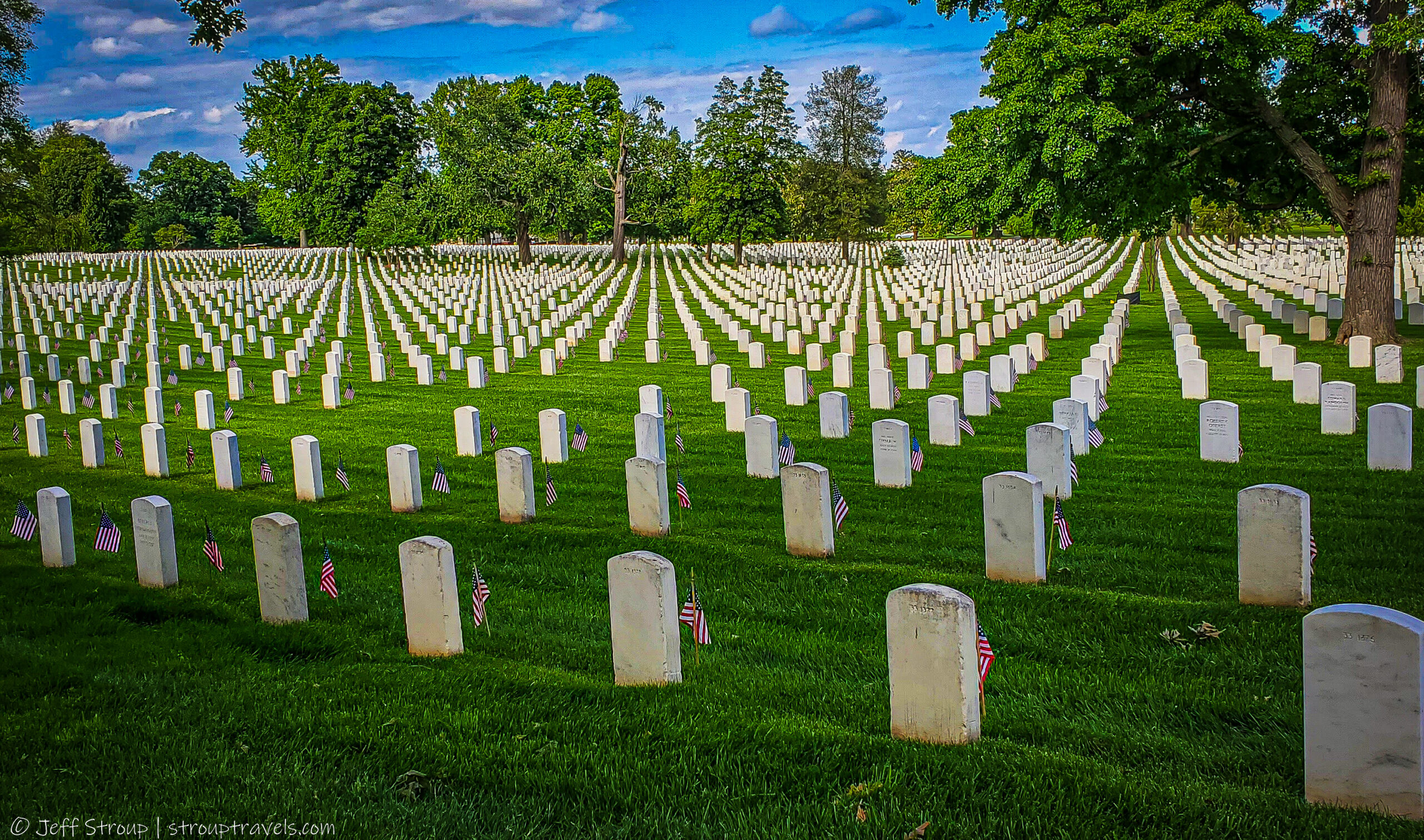
Gettysburg National Military Park is one of the most well-known battlefields in the country.
This is where the turning point of the Civil War took place. The battlefield is enormous, with miles of preserved land, monuments, and a driving tour that takes hours to complete.
Read the full guide: Gettysburg, Pennsylvania: Where the War Turned
Manassas
Manassas National Battlefield Park marks where the first major battles of the Civil War took place.
It’s one of those places where expectations shifted quickly. What many thought would be a short conflict turned into something much larger.
Read the full guide: Manassas National Battlefield Park: Where the Civil War Began
Shiloh
Shiloh National Military Park is quieter, more wooded, and one of the more haunting battlefields to visit.
The fighting here was intense, and the setting today makes that contrast even stronger.
Read the full guide: Shiloh National Military Park: Raw, Real, and Hauntingly Unfiltered
Fort Donelson
Fort Donelson National Battlefield was one of the Union’s first major victories.
The river, the fortifications, and the open landscape all still remain, making it easy to understand how important this location was.
Read the full guide: Fort Donelson National Battlefield: Raw History and River Views Worth the Stop
Harpers Ferry
Harpers Ferry National Historical Park blends history with one of the most scenic small towns in the region.
Sitting at the meeting point of two rivers, it played a key role leading into the Civil War and is still one of the most visually striking places to visit.
Read the full guide: Harpers Ferry, West Virginia: Where Rivers and Revolutions Collide
Revolutionary Era / War of 1812
Fort McHenry
Fort McHenry National Monument and Historic Shrine is one of the most recognizable historic sites in the country.
This is where the Star-Spangled Banner was inspired during the War of 1812 as American forces held off a British attack on Baltimore.
Today, you can walk the fort, explore the grounds, and look out over the harbor where the battle took place. It’s one of those places where the setting hasn’t changed much, which makes it easier to picture what happened here.
Read the full guide: Fort McHenry Baltimore: Is It Worth Visiting?
Modern History
Flight 93 Memorial
Flight 93 National Memorial preserves the site where passengers and crew fought back during the attacks on September 11, 2001, preventing the plane from reaching its intended target.
The events that unfolded here ended in tragedy, but the actions taken on board changed the outcome and remain one of the most powerful stories from that day.
Today the memorial is quiet, open, and intentionally designed, with a visitor center, Tower of Voices, and a walkway leading to the Wall of Names overlooking the crash site.
Read the full guide: Flight 93 National Memorial: A Place That Stays With You
American History Sites: The Scale of It All
One thing becomes clear when you start visiting multiple historical sites.
The distances are real.
Driving from Gettysburg to Shiloh takes nearly 10 hours today. During the Civil War, that same distance meant weeks of movement on foot, through rough terrain, with limited supplies.
It’s hard to fully understand the scale of American history until you physically move between these locations yourself.
American History Sites: Why These Places Matter
Some of these sites are large, structured, and heavily visited. Others are quiet and easy to overlook.
But all of them share one thing.
They’re real.
You’re not looking at a replica or a reenactment. You’re standing in the exact place where events unfolded that shaped the country.
That’s what makes traveling to historical sites different from reading about them.
Building Your Own American History Trip
You don’t have to visit everything at once.
The best way to explore American history is by region.
For example:
Mid-Atlantic Loop
Gettysburg to Antietam to Harpers Ferry to George Washington’s bathtub to Manassas
Tennessee Route
Shiloh to Fort Donelson
Virginia Expansion
Washington Birthplace to Colonial Beach to Northern Virginia sites
Each trip builds on the last.
Quick Questions
What are the best American history sites to visit?
Some of the most impactful include Gettysburg, Manassas, Shiloh, Fort Donelson, Harpers Ferry, and the birthplace of George Washington.
Are historical sites worth visiting?
Yes. Visiting these locations gives a completely different perspective than reading about history.
How many historical sites are there in the United States?
More than you can shake a stick at. Hundreds exist across the country, many preserved as National Park Service sites or historic landmarks.
What is the most famous historical site in the U.S.?
Gettysburg is widely considered one of the most famous and visited historical sites in the country.
Final Thoughts
American history isn’t locked into textbooks.
It’s spread across the country in places you can actually visit, walk through, and experience for yourself.
From quiet riverside birthplaces to massive battlefields, these locations tell the story of how the United States was built, tested, and shaped over time.
And once you start visiting them, it’s hard to stop.