Traveling to Civil War sites across the United States puts the scale of the conflict into perspective very quickly. Distances between these battlefields can take days to drive today. In the 1860s, soldiers marched those same distances on foot.
It’s hard to fully grasp how massive the war was until you start visiting the places where it happened. Many of the most important Civil War sites are now protected by the National Park Service, making them relatively easy to visit. Others remain preserved as state parks, historic towns, or quiet markers placed on the land where something significant once stood.
This civil war travel guide connects Civil War destinations across the country that can still be explored today.
Interactive Civil War Battlefields Map
This map tracks Civil War sites that can still be explored today. Some locations are major national battlefield parks, while others are smaller historic sites tied to the war.
Green markers represent places already explored and documented on StroupTravels. Additional sites will continue to be added as new locations are visited.
Civil War Guide to Pennsylvania
Gettysburg National Military Park
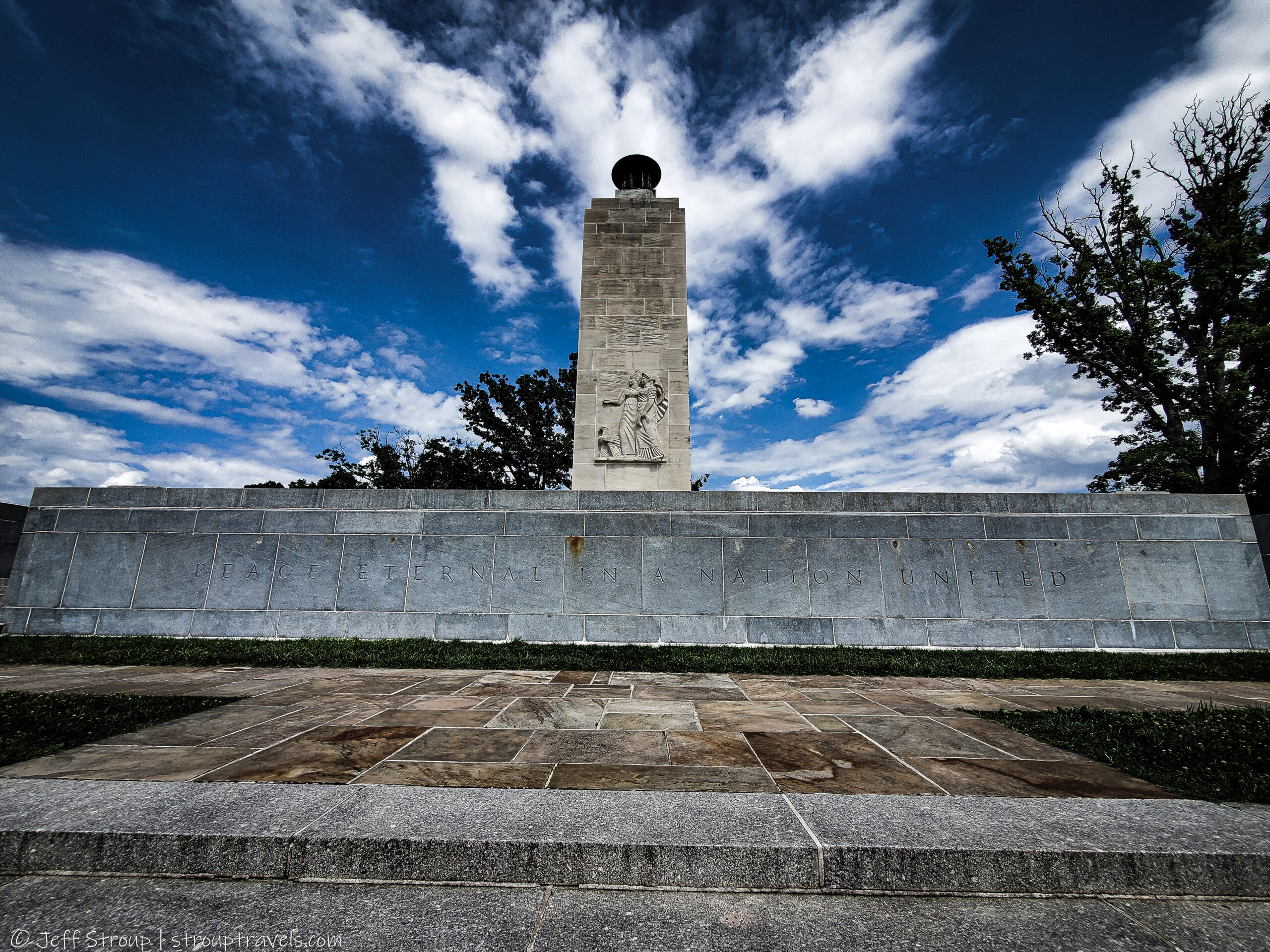
Gettysburg National Military Park is one of the most powerful historical landscapes in the United States.
The Battle of Gettysburg in July 1863 was the bloodiest battle of the Civil War and a turning point in the conflict. Today the battlefield is massive and filled with monuments, memorials, and preserved terrain.
Most visitors explore the park using the self-guided driving tour, which winds through the battlefield and stops at key locations including Little Round Top, Devil’s Den, and the site of Pickett’s Charge.
You can still feel the weight of history here.
Read the full guide: Gettysburg, Pennsylvania: Where the War Turned
Civil War Guide to Maryland
Antietam National Battlefield
Antietam National Battlefield marks the site of the bloodiest single day in American military history.
The Battle of Antietam took place on September 17, 1862, and resulted in more than 22,000 casualties in a single day.
Like Gettysburg, the battlefield today is explored primarily by a driving tour that connects the most important locations, including the Dunker Church, Bloody Lane, and Burnside Bridge.
A full Antietam guide is coming soon.
Point Lookout
Point Lookout State Park sits at the southern tip of Maryland where the Potomac River meets the Chesapeake Bay.
During the Civil War, this location held one of the largest Union prison camps for Confederate soldiers.
Conditions were extremely harsh, and thousands of prisoners died here. Today a marker near the site of Hammond Hospital commemorates the hospital that once treated wounded soldiers.
The park itself now includes beaches, fishing areas, and historic markers that quietly acknowledge the site’s past.
Civil War Guide to West Virginia
Harpers Ferry
Harpers Ferry is one of the most unique Civil War destinations in the country.
Located at the meeting point of the Potomac and Shenandoah Rivers, the town sits at the crossroads of West Virginia, Maryland, and Virginia. Its strategic location made it incredibly important during the war.
The town is also famous as the site of John Brown’s raid in 1859, one of the events that helped push the country toward war.
Today Harpers Ferry is preserved as a historic national park town filled with museums, trails, and historic buildings.
Read the full guide: Harpers Ferry, West Virginia: Where Rivers and Revolutions Collide
Civil War Guide to Virginia
Cedar Creek and Belle Grove
Cedar Creek and Belle Grove National Historical Park preserves the site of the Battle of Cedar Creek, one of the final major battles in the Shenandoah Valley campaign of 1864.
The battlefield includes preserved farmland, historic structures, and monuments marking key points of the battle.
The landscape remains largely rural, which makes it easier to imagine how the battlefield once looked during the conflict.
Manassas National Battlefield Park
Manassas National Battlefield Park preserves the site of the First and Second Battles of Bull Run, two of the earliest major engagements of the Civil War.
The First Battle of Bull Run in 1861 shattered the early belief that the war would be short and decisive. The second battle in 1862 reinforced the strategic importance of northern Virginia as armies moved repeatedly through the region.
Today the battlefield remains largely preserved farmland and rolling terrain, allowing visitors to explore key locations where the fighting took place.
Full Guide here: Manassas National Battlefield Park: Where the Civil War Began
New Market Battlefield
New Market Battlefield State Historical Park preserves the site of the Battle of New Market, fought in May 1864.
The battlefield includes open fields, walking trails, and preserved areas that mark key positions during the engagement.
It is best known for the involvement of cadets from the Virginia Military Institute, making it one of the more unique battles of the war.
Civil War Guide to Tennessee
Civil War Travel Guide to Fort Donelson
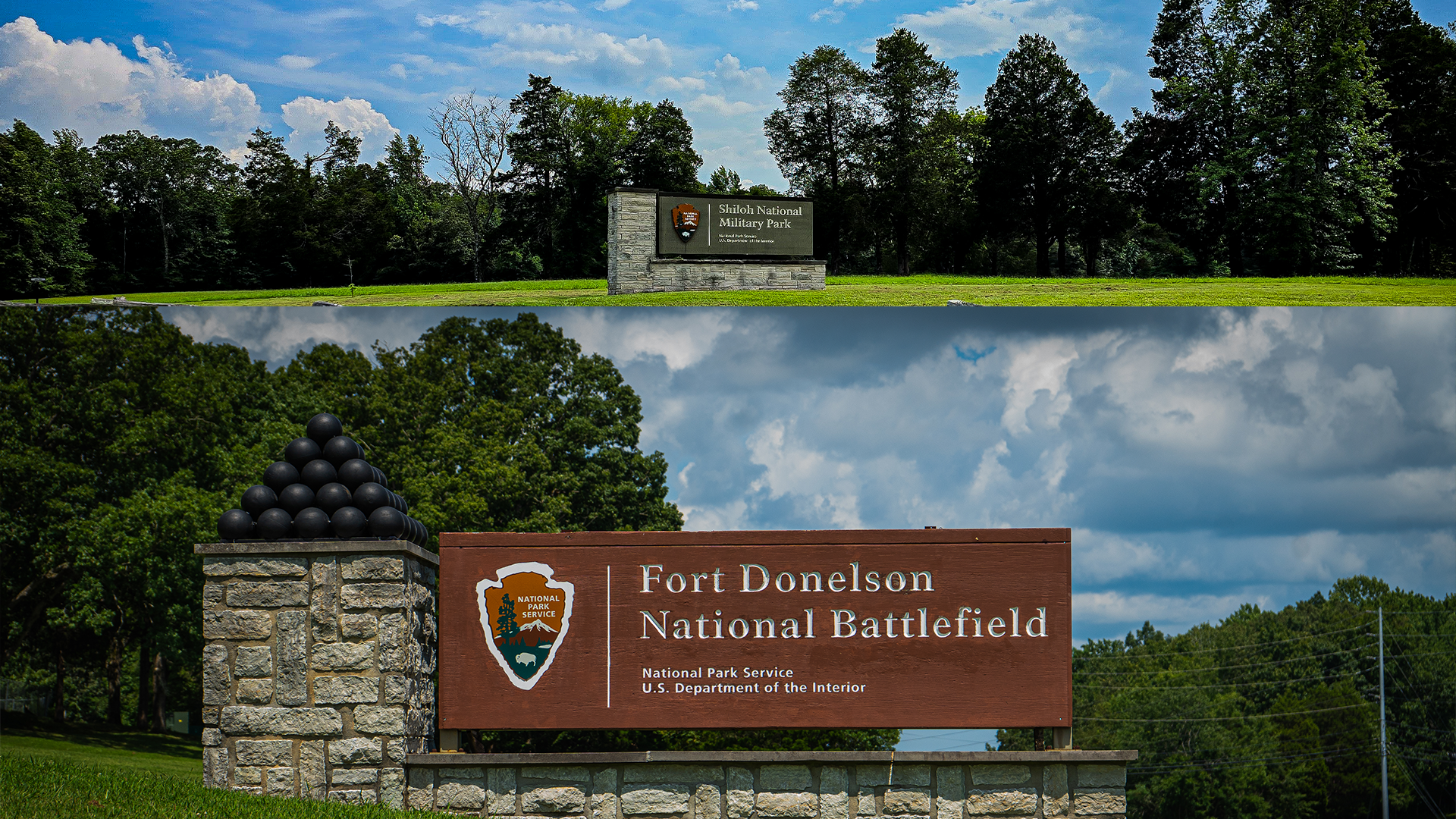
Fort Donelson National Battlefield played a major role early in the Civil War.
Union forces under Ulysses S. Grant captured the fort in 1862, securing control of the Cumberland River and opening a path deeper into the Confederate South.
Today visitors can explore the fortifications, river batteries, and surrounding battlefield grounds. The site also includes the Dover Hotel, where the Confederate surrender took place.
Read the full guide: Fort Donelson National Battlefield: Raw History and River Views Worth the Stop
Shiloh
Shiloh National Military Park preserves the site of one of the war’s most brutal early battles.
Fought in April 1862, the Battle of Shiloh shocked the country with its massive casualty numbers and demonstrated how devastating the war would become.
Today the battlefield is quiet, wooded, and sprawling. Driving through the park takes visitors past monuments, preserved battle positions, and the Shiloh National Cemetery.
Read the full guide: Shiloh National Military Park: Raw, Real, and Hauntingly Unfiltered
Stones River
Stones River National Battlefield preserves the site of a critical Union victory fought between December 1862 and January 1863.
The battle was one of the bloodiest of the war and helped stabilize Union morale when it mattered most, even if it doesn’t get the same attention as other major battles.
Today the battlefield is smaller and more fragmented, sitting right in the middle of Murfreesboro, with a short driving tour, visitor center, and scattered preserved sections.
Experience: Stones River National Battlefield: Big Impact, Smaller Battlefield
Battle of Franklin
The Battle of Franklin site in Franklin preserves the location of one of the bloodiest battles of the Civil War, fought in November 1864.
The area includes multiple preserved locations such as Fort Granger and Rippa Villa, along with surrounding battlefield land tied to the conflict.
Much of the battlefield has been developed over time, but key sections remain, allowing visitors to understand the scale and intensity of the fighting.
Sherman Reservation
Sites connected to William Tecumseh Sherman’s campaign through Tennessee preserve areas tied to his movements during the later stages of the war.
These locations include protected land and historical markers that provide context to Sherman’s strategy and the broader campaign across the region.
While not as consolidated as major national parks, these sites still contribute to understanding the wider scope of the war in Tennessee.
Planning a Civil War Road Trip
Many Civil War sites are surprisingly close to one another, making it possible to visit several battlefields during a single road trip.
A few popular routes include:
Washington DC Battlefield Loop
Manassas
Antietam
Harpers Ferry
Gettysburg
Tennessee Civil War Route
Fort Donelson
Shiloh
Stones River
Additional battlefields across Tennessee
Driving between these locations helps reveal just how large the conflict was and how far armies moved during the war.
Why Visit Civil War Sites Today?
Civil War battlefields aren’t theme parks. They’re preserved landscapes where major moments in American history unfolded.
Walking these grounds gives a clearer understanding of the scale of the war and the sacrifices made by soldiers on both sides.
Across the country, these sites remain some of the most powerful historical places you can visit.