Moundsville is not a polished tourist town. It’s not a weekend getaway loaded with boutique hotels and curated dining. It’s a small Appalachian river town with two stops that matter and everything else orbiting around them. If you’re into dark history, prison architecture, or prehistoric earthworks, it’s worth pulling off the highway. If you’re not, you’ll probably be done in a few hours.
What makes Moundsville interesting is the contrast. On one side, you have one of the most notorious prisons in the country. On the other, you have a Native American burial mound built thousands of years before the United States existed. Brutality and ancient engineering within minutes of each other. That’s the hook.
West Virginia State Penitentiary: Gothic, Brutal, and Unsettling
West Virginia State Penitentiary dominates the town visually and emotionally. It looks like a medieval fortress dropped into West Virginia by mistake. Turrets. Stone walls. Arched windows. It doesn’t look like a place meant for rehabilitation. It looks like a place meant to intimidate.
The prison operated from 1876 to 1995, and inside it still feels heavy. The cell blocks are tight. The air feels colder than outside. The execution chamber is real and not softened for comfort. If you take a guided tour, you’ll hear stories about riots, overcrowding, and conditions that were rough even by historical standards.
This is not cheerful travel. It’s not curated nostalgia. It’s raw history. If you like places that feel slightly uncomfortable in a meaningful way, this one delivers. If you’re sensitive to dark themes, skip it.
The exterior alone is worth seeing. Even if you don’t take a full tour, walking the perimeter and seeing the architecture up close is impressive. Photographically, this place works. Emotionally, it lingers longer than you expect.
Read the full breakdown: The Eerie Essence of West Virginia State Penitentiary
Grave Creek Mound: Quiet, Massive, Older Than the Country
A few minutes away sits Grave Creek Mound. It’s one of the largest conical burial mounds in the United States and dates back over 2,000 years. Built by the Adena culture, it stands as a reminder that this land had deep history long before European settlement.
There’s something grounding about standing at the base of the mound and looking up. No steel. No concrete. Just earth shaped by human hands thousands of years ago. It’s quiet in a way the prison isn’t. Calm. Open. Reflective.
The adjacent museum adds context if you want it, but even without stepping inside, the mound itself is enough. You don’t need hours here. Thirty to forty-five minutes is realistic unless you’re diving into every exhibit. But the perspective shift it provides makes the stop worthwhile.
The contrast between these two sites is what defines Moundsville. One is violence and confinement from the 19th and 20th centuries. The other is ancient ceremony and engineering from long before that. Together, they give the town weight.
Grand Vue Park Overlook: The Best View of Moundsville
Grand Vue Park sits just northeast of town and gives you the best wide-angle view of Moundsville in one shot. From the overlook, you can see the Ohio River, the penitentiary, the mound, and the small-town layout all at once. It puts everything into perspective.
You can drive right up to the observation deck. No long hike. No steep climb. Just park and step out. It’s an easy add-on between the mound and the prison or a good reset stop if you want a visual break from heavy history.
This is where you see how small Moundsville actually is. The two main attractions stand out clearly from above, and the river frames the whole town. It’s not dramatic in a national park sense, but it’s effective.
If you’re already in town, it’s worth the extra few minutes.
Festivals & Community Energy in Moundsville
Moundsville isn’t just prisons and prehistoric earthworks. The town actually leans into its community events hard, and that’s where the energy shifts.
The West Virginia Wine and Jazz Festival brings a completely different vibe to town. Live music, local wine, and a riverfront atmosphere that feels relaxed instead of haunted. If you catch Moundsville on the right weekend, it doesn’t feel eerie at all. It feels social.
The West Virginia Italian Heritage Festival reflects the region’s deep Italian roots. Food, music, family energy. It’s less about spectacle and more about identity. You see how immigration shaped this part of Appalachia.
Then there’s the Black Walnut Festival, which is exactly what it sounds like. Small-town arts, crafts, local vendors, and Appalachian culture on display. It’s not flashy, but it’s real.
If you visit outside of festival season, Moundsville can feel quiet. If you hit it during one of these events, it feels alive. Timing matters here.
What It Actually Feels Like to Visit
Moundsville itself is small. Downtown is limited. You’re not coming here for shopping districts or a deep food scene. You’re coming for the prison and the mound. That’s it. Set that expectation and you won’t leave disappointed.
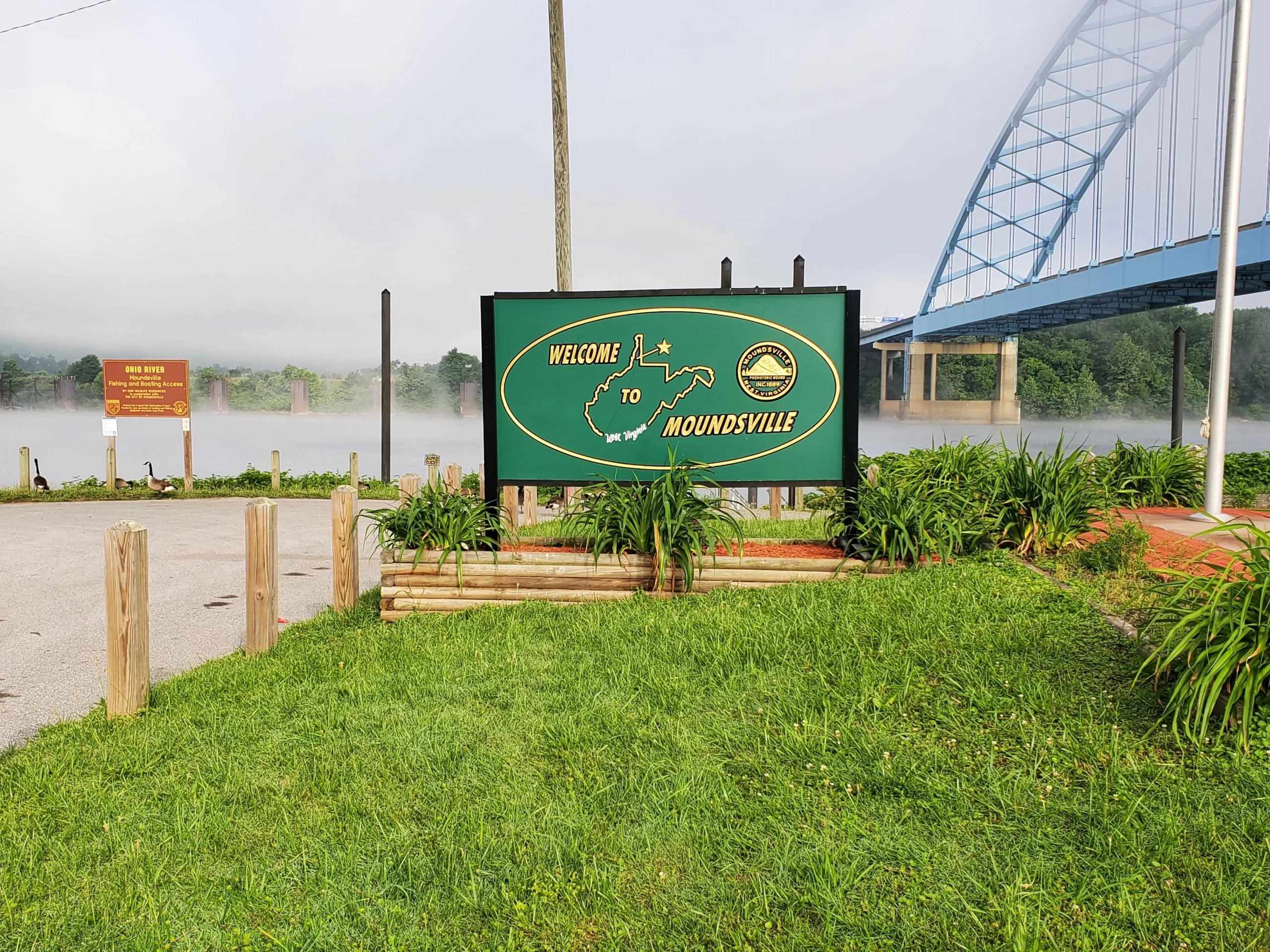
The Ohio River runs alongside town, adding some visual appeal, but it’s not a waterfront entertainment zone. It’s more backdrop than attraction. The Appalachian hills around the area add scenery, especially in the fall when foliage peaks. Outside of October and special events, crowds are manageable.
This is a half-day stop. Not a full weekend destination unless you’re specifically attending an event or doing a deep paranormal tour at night.
Is Moundsville Worth the Drive?
If you’re already in northern West Virginia or near Wheeling, yes. It’s an easy addition to a regional road trip. If you’re driving more than two hours solely for Moundsville, it depends on how much you care about the penitentiary and festivals. The prison is strong enough to justify a focused visit for dark history enthusiasts. For casual travelers, it’s better as part of a broader West Virginia loop.
Compared to other stops in the state, Moundsville ranks high for uniqueness but low for variety. It does a few things extremely well. It does not try to do everything.
What Will Disappoint You
If you’re expecting a lively downtown, you won’t find it unless you’re in town for a festival. If you want multiple attractions within walking distance, you won’t find that either. The town revolves around its two main historical anchors. Outside of those, it’s quiet.
Some visitors also expect the penitentiary to be more interactive or theme-park-like. It’s not. It’s largely preserved as-is, and that preservation is part of its impact. Go in expecting atmosphere, not spectacle.
Weather matters too. In peak summer heat, walking the grounds can get uncomfortable. In winter, it can feel stark and empty. Spring and fall are ideal.
Getting There:
Moundsville is located along US Route 2 in northern West Virginia, approximately 12 miles south of Wheeling.
Best Time to Visit
Spring and fall are strongest. Cooler air makes walking the prison grounds easier, and fall foliage in the surrounding hills adds visual depth. October also leans into haunted tour season, which increases energy around the penitentiary if that’s your thing.
Summer works, but humidity can make tours feel heavier. Winter is quieter but more subdued.
Suggested Half-Day Itinerary
Start with Grave Creek Mound in the morning while energy is high. Walk the grounds, visit the museum if open, and take in the scale. After that, head to the penitentiary for a standard tour. Plan for two to three hours depending on tour depth. Wrap up with a quick meal in town or along the river before heading to your next stop.
That’s the clean, efficient way to experience Moundsville without overextending it.
Know Before You Go
Parking is generally easy at both major sites. Tours at the penitentiary can sell out during peak season, especially in October, so booking ahead helps. Wear comfortable shoes; the prison floors and grounds are uneven in places. If you’re sensitive to dark or graphic history, research tour types in advance because some focus more heavily on execution and violence.
Cell service is generally fine in town but can dip in rural surrounding areas. Plan fuel stops before heading deeper into northern West Virginia.
Q&A
Is Moundsville worth visiting?
Yes, if you’re interested in dark history or ancient Native American sites. No, if you’re looking for entertainment districts or a lively downtown.
How long do you need in Moundsville?
Three to four hours is realistic for both the mound and the penitentiary.
Is the West Virginia State Penitentiary scary?
Atmospherically, yes. It’s heavy and intense. It’s not designed as a haunted house, but the history makes it feel unsettling.
Is Grave Creek Mound free?
The mound grounds are accessible, and the museum may have varying admission policies depending on exhibits.
Stroup Verdict
Drive Time Worth It: ★★★☆☆
Time Needed: 3–4 hours
Crowd Tolerance: Low to moderate
Photogenic: High, especially the prison exterior
Would I Go Back: Yes, but not frequently
Who Should Skip: Anyone uncomfortable with dark or heavy historical themes
Moundsville doesn’t try to entertain you. It presents history without smoothing the edges. If you’re building a West Virginia road trip around prisons, battlefields, and layered history, it fits cleanly. If you’re chasing energy and nightlife, keep driving.
Explore More of West Virginia
West Virginia Travel Guide: Prisons, Peaks, and Pure Grit
The Eerie Essence of West Virginia State Penitentiary
Harpers Ferry West Virginia Historic Road Trip
Trans-Allegheny Lunatic Asylum: Unveiling the Haunted Mysteries
Potomac Eagle Railroad Epic Fall Train Ride in West Virginia
Flatwoods Monster: West Virginia’s Weirdest Roadside Stop