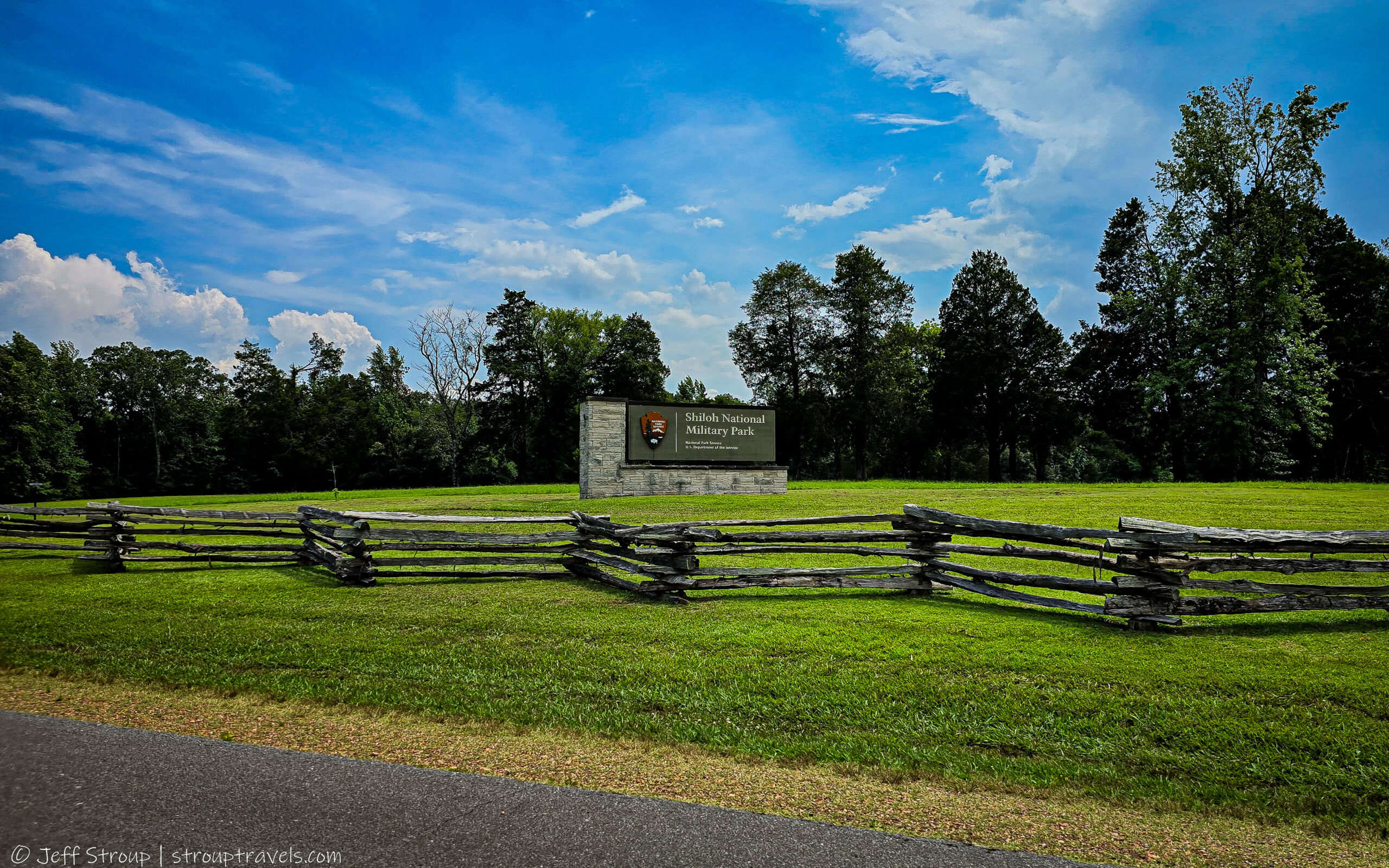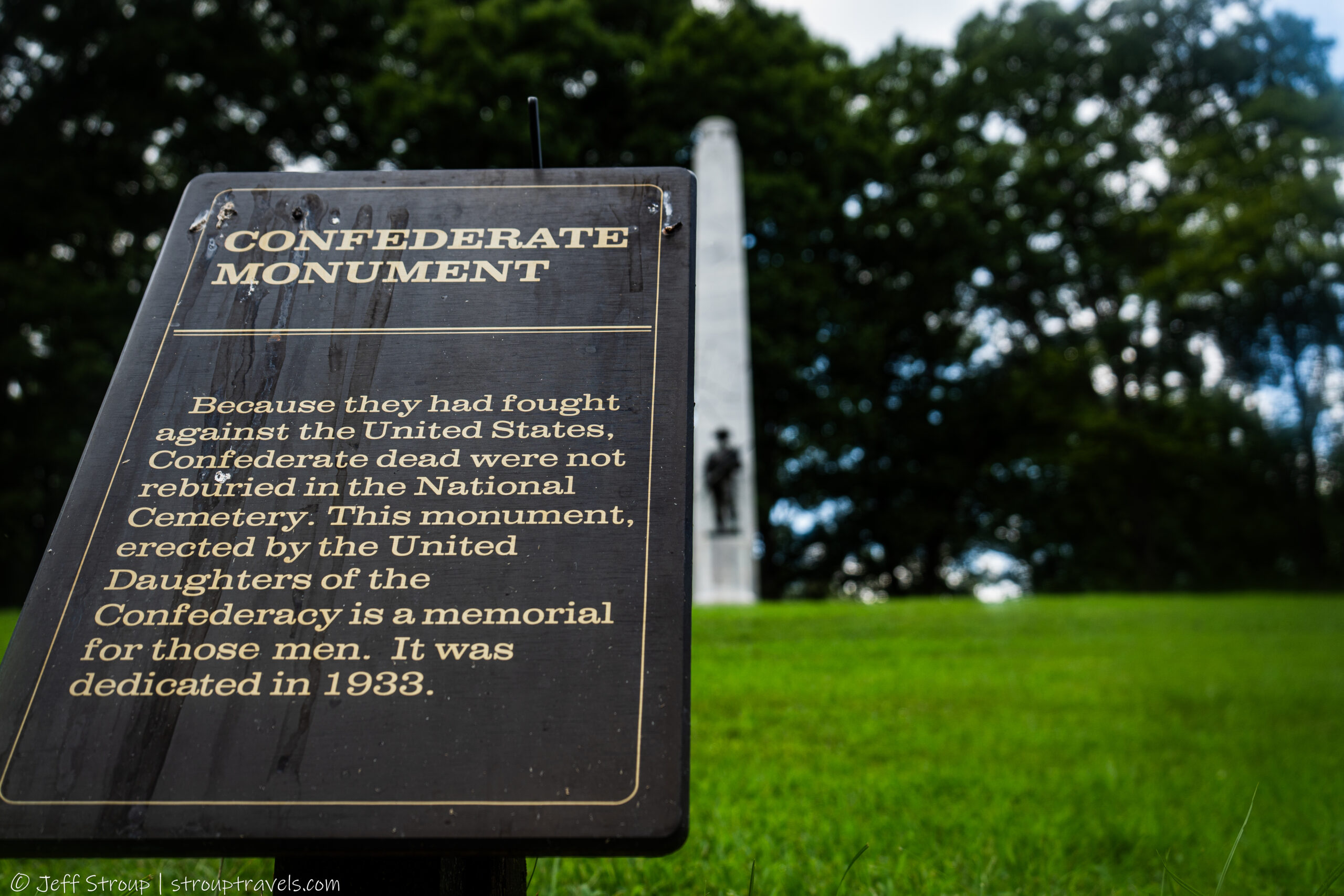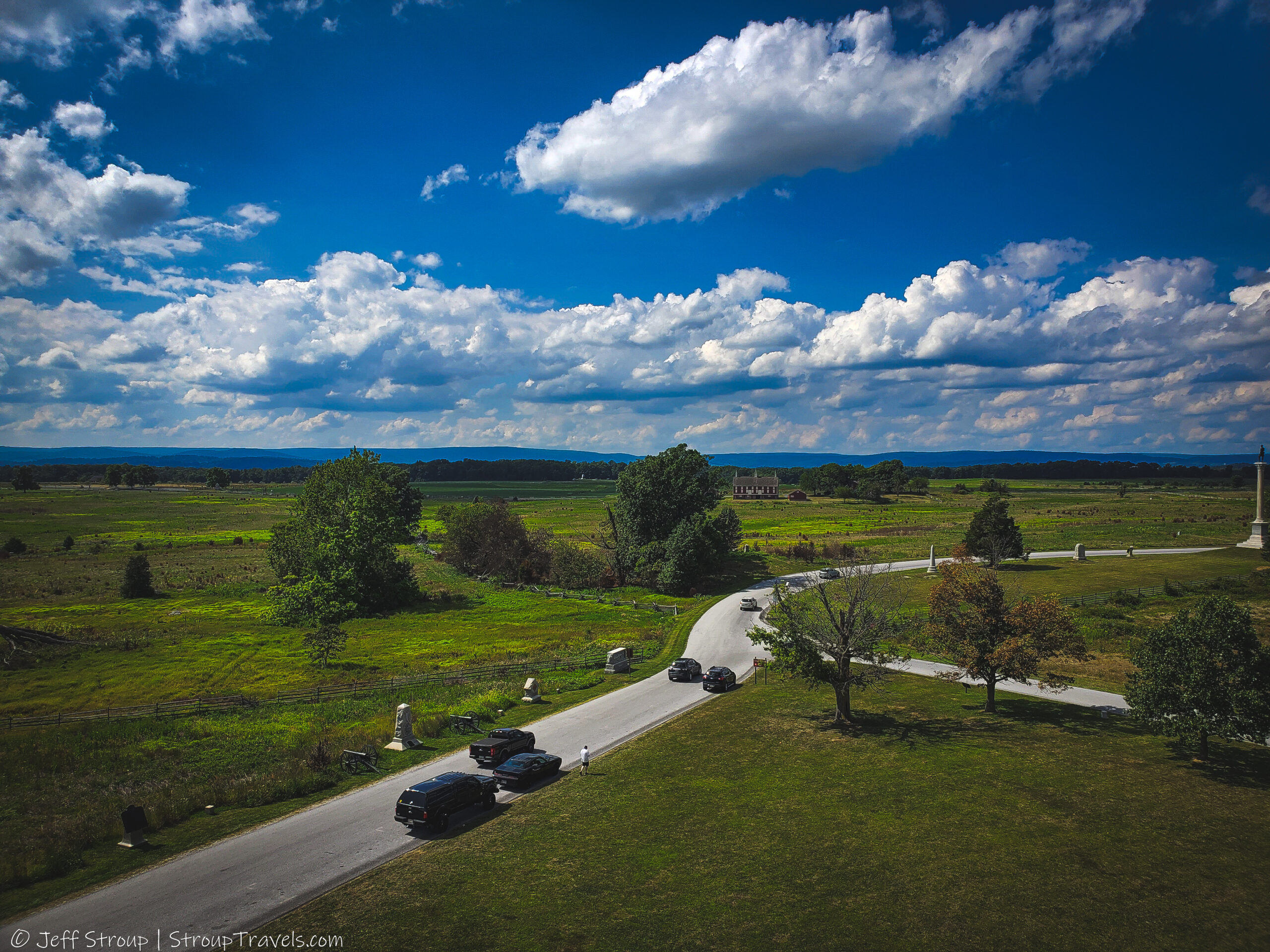
Gettysburg National Military Park is not a battlefield you “walk through.” It’s one you enter.
At first glance, it looks like open farmland. Rolling hills. Split-rail fences. Tree lines. Then you realize you’re standing on ground where over 50,000 men were killed, wounded, or missing in three days.
That number stops feeling abstract when you see how far the land stretches.
Gettysburg is not compact. It is enormous. And the scale is what overwhelms you first.
Looking for more to do in Gettysburg? Gettysburg, Pennsylvania: Where the War Turned
The Scale: Why This Is a Driving Battlefield
You cannot understand Gettysburg from one overlook.
The park spans roughly 6,000 acres. You begin on one end of the battlefield and drive for miles before realizing you are still inside it. This is not Harpers Ferry. It is not Antietam. It is not a single ridge or a single field.
This is a full landscape.
The official auto tour route covers around 24 miles. You move from McPherson Ridge to Seminary Ridge, from the Wheatfield to Little Round Top, from Cemetery Ridge to the High Water Mark.
If you tried to walk everything, you would need days.
Most visitors drive and stop.
That’s the correct way to start.
The Monuments: Overwhelming in Number
There are over 1,300 monuments on the battlefield.
Some are modest regimental markers. Others tower above the landscape in stone and bronze. You will not stop at all of them. You shouldn’t try. Instead, let the battlefield guide you.
You’ll notice certain monuments draw attention not because they are larger, but because of where they stand. The placement tells the story as much as the plaque.
This is not a curated museum experience. It is preserved terrain.
Fields remain fields.
Stone walls remain stone walls.
The power of Gettysburg comes from restraint.
Key Areas You Should Not Skip
You could spend days here, but if time is limited, prioritize:
Little Round Top
The Wheatfield
Devil’s Den
The Peach Orchard
Cemetery Ridge
The High Water Mark
Soldiers’ National Cemetery
Little Round Top offers elevation and perspective. From here, you understand defensive advantage and terrain in real terms.
Devil’s Den feels chaotic even now. The rocks, the uneven ground, the sense of disorder, it still reads as violent terrain.
The High Water Mark marks the furthest advance of Confederate forces during Pickett’s Charge. Standing there, looking across the open field toward Cemetery Ridge, you understand the exposure. The distance is brutal.
And then there is the cemetery.
Soldiers’ National Cemetery: The Quiet Center
Gettysburg National Cemetery is smaller than you expect.
It’s clean. Structured. Quiet.
This is where Abraham Lincoln delivered the Gettysburg Address on November 19, 1863. There’s no theatrical staging. No dramatic lighting. Just rows of headstones and a modest monument. For as impactful this location was, the monument could almost be taken for a joke, but that’s the way Gettysburg is. Subtle, but profound.
After hours of driving the battlefield, the cemetery feels focused.
It is the emotional reset.
Do not rush it.
What It Actually Feels Like to Be There
Gettysburg does not feel like a reenactment.
It feels open.
Wind moves through fields. Cars drive slowly. Visitors step quietly across grass that once carried artillery and infantry charges.
There are moments where it feels almost peaceful. Then you read casualty numbers for a specific brigade, and the peace disappears.
It is one of the few historic sites in the country where the land itself still does most of the talking.
Gettysburg National Military Park: Tactical Visiting Strategy
Start at the Visitor Center.
The museum provides context before you step onto the field. Without that framing, you risk driving past critical terrain without understanding it.
After the museum, begin the auto tour route. Do not try to jump randomly between stops.
Bring:
• Water
• Good shoes
• Patience
Plan for at least 4–6 hours minimum if you want more than a surface-level visit.
If you only have an hour here: How to Visit Gettysburg in One Day
When to Visit Gettysburg National Military Park
Spring and fall are strongest.
Fall adds color and depth to the landscape. Summer is busier and hotter, and open fields offer little shade. Winter strips the battlefield down to its most skeletal form, which can be stark but powerful.
Early mornings are quieter.
Weekends in peak season are not.
Is Gettysburg National Military Park Worth the Drive?
Yes.
Even if Civil War history is not your primary interest, the preservation scale alone makes this site essential.
If you care about American history at all, this is not optional.
This is where the war pivoted.
What Will Disappoint You at Gettysburg National Military Park
If you expect interactive exhibits on the battlefield itself, you won’t find them. The battlefield is terrain. The museum holds most artifacts.
If you rush it in two hours, you will leave thinking it was “just fields.” It is not designed for speed.
Crowds can break immersion during peak season.
But the land still carries weight.
How This Fits Into a Gettysburg National Military Park Visit
Pair the battlefield with:
Eisenhower National Historic Site for presidential context.
Sachs Covered Bridge for a quieter historical reset.
The town of Gettysburg for food and lodging.
Layer it. Do not isolate it.
Q&A: Gettysburg National Military Park
How long do you need at Gettysburg National Military Park?
Minimum 4–6 hours. A full day is better. If you want to read monuments, hike Little Round Top, and visit the cemetery properly, plan for 6–8 hours.
Is Gettysburg worth visiting if you’re not a Civil War buff?
Yes, if you appreciate large-scale preserved history. No, if open farmland and monuments don’t move you. The power comes from the land, not flashy exhibits.
Can you walk the entire battlefield?
Technically yes. Realistically no. The park spans roughly 6,000 acres. Most visitors drive the 24-mile auto tour and stop at key locations.
Is Gettysburg free?
The battlefield itself is free. The museum and certain guided tours require tickets.
What is the most important spot at Gettysburg?
The High Water Mark and Soldiers’ National Cemetery. That’s where the turning point and Lincoln’s address converge.
Is one day enough for Gettysburg?
Yes, if you focus. No, if you want deep immersion. You won’t see everything in a single visit.
Is Gettysburg better than Antietam or Harpers Ferry?
For scale and monument density, yes. For compact walking and quicker visits, those two are easier. Gettysburg is the heavyweight.
Should I do Gettysburg last of the civil war sites?
Only if you are serious in keeping your civil war journey in chronological order, which is almost impossible unless you have all the time the word. Go when you want to. There is no order of operations.
Drive Time Worth It? From Major Cities
From Washington, DC (≈ 1 hour 30 minutes)
Yes. Absolutely worth it as a full-day trip. Leave early, plan 6–8 hours on site, drive back in the evening. This is one of the strongest historical day trips from DC.
From Baltimore (≈ 1 hour 15 minutes)
Even easier. Very strong day-trip option. You can comfortably cover the battlefield and cemetery in one long day without rushing.
From Philadelphia (≈ 2 hours 30 minutes)
Still worth it, but now you’re committing. Make it an overnight. Pair the battlefield with Eisenhower’s site and time in town.
From Pittsburgh (≈ 3 hours)
Weekend trip territory. Don’t drive 3 hours for a 2-hour visit. If you’re coming from western PA, stay overnight.
Within two hours, Gettysburg is a must.
If you are within three hours, make it a weekend.
If you are flying in for Civil War history, this is non-negotiable.
Stroup Verdict
Drive Time Worth It: ★★★★★
Time Needed: Full day minimum
Crowd Tolerance: Moderate to high in peak season
Photogenic: Extremely high
Would I Go Back: Yes
Who Should Skip: Anyone uninterested in open landscapes or American history
Gettysburg National Military Park is not flashy. It is vast and quiet. It lingers long after you leave.