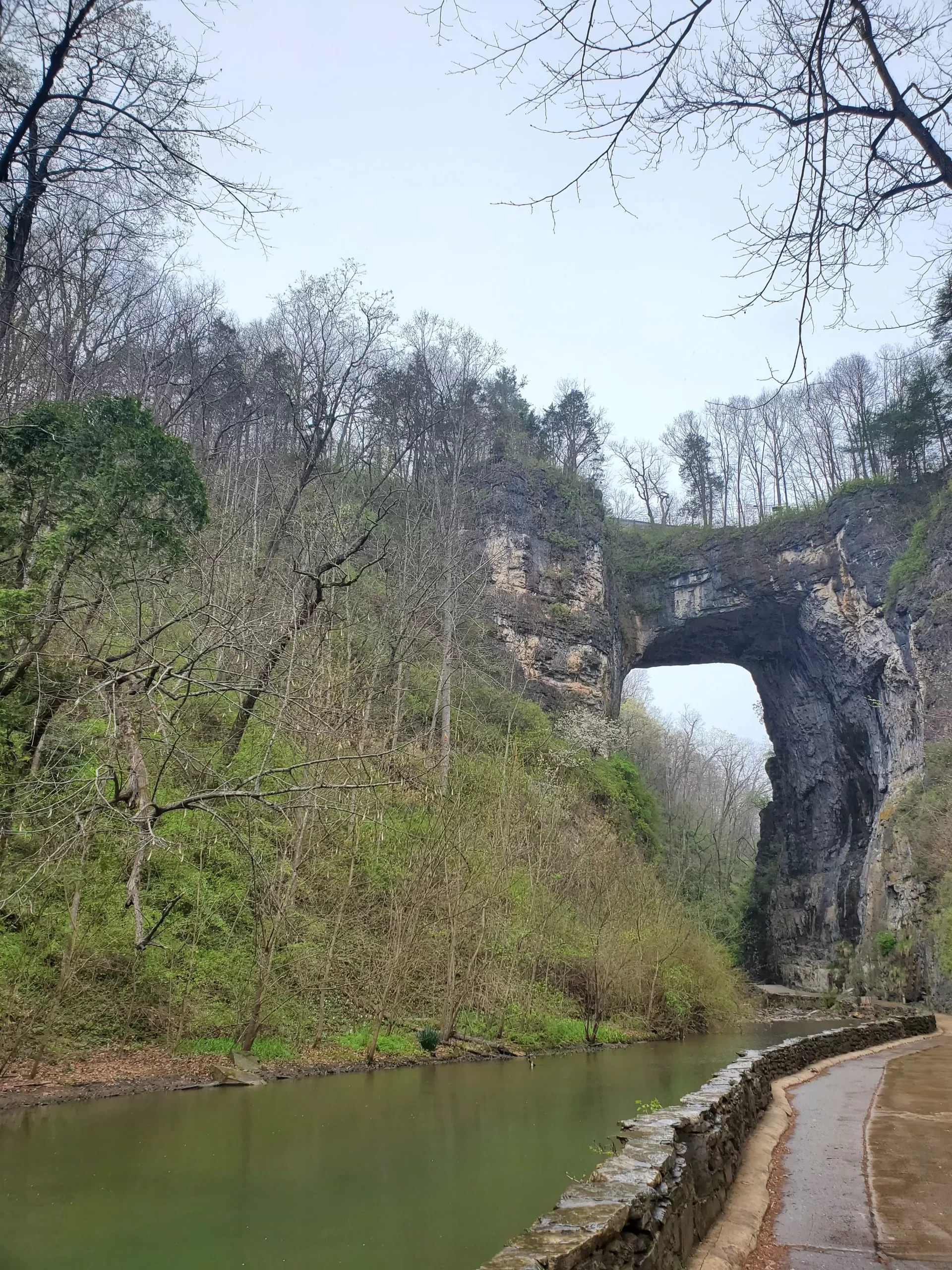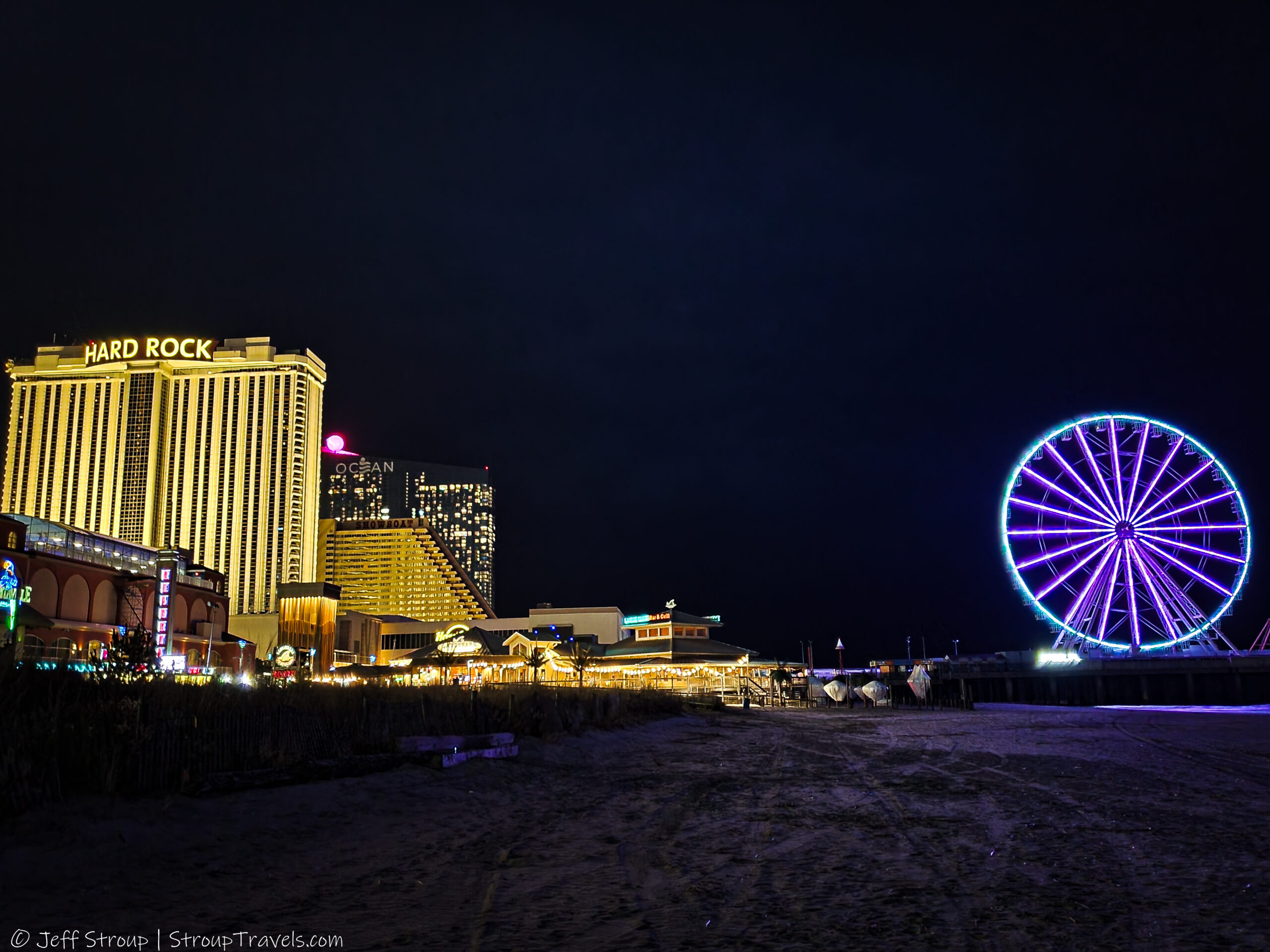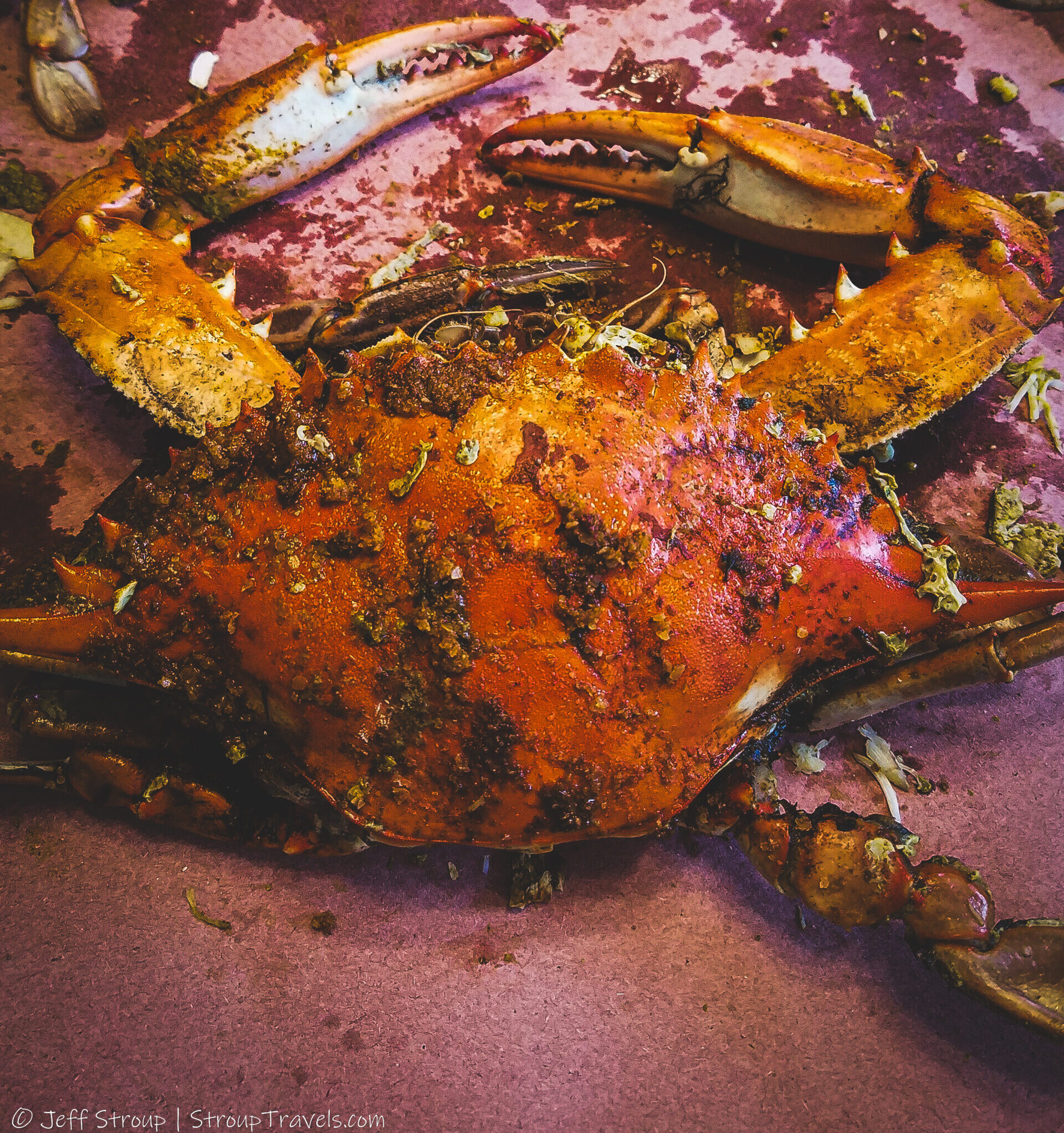
Maryland doesn’t get the hype it deserves, which is exactly why this Maryland Travel Guide exists. Most people pass through on the way to somewhere else. They hit DC, maybe Baltimore, then keep moving. That’s a mistake. This guide cuts through the generic tourism junk and shows you what’s actually worth your time in Maryland.
This Maryland Travel Guide cuts through the generic tourism junk and gives you what’s actually worth your time: real history, real hikes, real waterfront towns, and zero sugarcoating.
I’ve stood under the flag at Fort McHenry. I’ve climbed Weverton Cliffs until my calves burned and I’ve wandered Cambridge when the streets were nearly empty. Maryland isn’t loud. It doesn’t beg for attention. But if you slow down, it absolutely delivers.
Here’s how to explore it the right way.
Maryland Travel Guide to Fort McHenry: Where the Flag Still Hits Hard
If you’re anywhere near Baltimore and skip Fort McHenry, that’s on you.
This is where the Star-Spangled Banner was written. That’s not marketing hype. That’s actual American history unfolding in front of you.
You walk the fort walls, you look out over the water, and you imagine British ships firing into the harbor. Then you see that massive American flag snapping in the wind and it clicks.
This place isn’t flashy. It’s powerful.
Read the full breakdown:
Fort McHenry Review: Is It Actually Worth Visiting?
Maryland Travel Guide to Hampton National Historic Site
Hampton National Historic Site sits just outside Baltimore in Towson, right off the busy Interstate 695. Considering how dense and suburban Towson has become, stepping onto the Hampton estate feels like entering a completely different world.
The site centers around a massive historic mansion surrounded by open lawns and wooded property. The estate once belonged to one of the wealthiest families in early Maryland, and the scale of the house reflects that history immediately.
Unfortunately, I arrived late in the day and the mansion itself had already closed for tours. Even so, the grounds were still open to explore. One of the more interesting parts you can still access is the old cellar and refrigeration area beneath the mansion. Walking through it gives a glimpse into how estates like this operated before modern utilities. Not much to it, but you can feel the immediate difference in temperature.
Several walking paths loop around the property, giving you time to explore the surrounding fields and outbuildings. It’s not a huge park, but the quiet atmosphere makes it a nice break from the surrounding city.
Most visitors will probably spend one to two hours here, depending on whether the house tours are open.
If you’re already exploring the Baltimore area or passing through Towson, it’s an easy historical stop that shows a different side of Maryland’s past.
Maryland Travel Guide to Weverton Cliffs: Short Hike, Big Payoff
Weverton Cliffs is one of those hikes that looks innocent and then humbles you halfway up.
It’s short, it’s steep, and it’s rocky. And the view at the top over the Potomac River absolutely makes it worth the climb.
This isn’t a casual stroll. Wear real shoes. Bring water. And don’t underestimate the incline.
If you want one of the best quick views in Maryland without a full-day commitment, this is it.
Full trail review:
Weverton Cliffs Hike: What to Expect Before You Go
Southern Maryland: Underrated and Wide Open
Southern Maryland doesn’t try to impress you. It’s quieter, more rural, and deeply rooted in colonial history and waterfront communities along the Chesapeake Bay and the Potomac River.
If you’re looking for less traffic and more open space, this region delivers. It’s the kind of place where road trips feel slower and more relaxed. You’re not racing between attractions. You’re just exploring what’s there.
Southern Maryland is also much bigger than most people expect. The region stretches across multiple counties with fishing towns, historic settlements, wildlife refuges, and miles of Chesapeake shoreline.
Below are a few highlights from the region. For a deeper breakdown of towns, parks, museums, and historic sites, read the full guide:
Southern Maryland Travel Guide
Thomas Stone National Historic Site
Thomas Stone National Historic Site sits in southern Maryland and preserves the home and property of one of the signers of the Declaration of Independence.
The site centers around Haberdeventure, the restored plantation home of Thomas Stone. Walking the grounds gives a glimpse into Maryland’s early colonial period and the political tensions that shaped the region. Maryland itself was founded partly as a refuge for Catholics, which eventually led to religious and political struggles between Catholic and Protestant settlers. That background adds context when exploring estates like this.
The park includes a handful of historic structures along with walking trails that loop through the surrounding farmland and woods. It’s not a massive site, but it’s peaceful and easy to explore at a slow pace. You can explore the grave of this Declaration of Independence signer close by.
Most visitors will spend about an hour here walking the property and viewing the historic buildings.
Mallows Bay “Ghost Fleet”
Mallows Bay–Potomac River National Marine Sanctuary is one of the strangest and most fascinating historic landscapes in Maryland.
Along this stretch of the Potomac River sit the remains of dozens of World War I-era wooden ships. These vessels were part of an emergency shipbuilding program during the war but were later abandoned and intentionally burned or scrapped along the shoreline.
Today the skeletal remains of the ships still rise from the water, forming what’s known as the Ghost Fleet of Mallows Bay.
You can view some of the wrecks from land along the shoreline trails, but the best experience is from the water. Canoes and kayaks allow you to paddle directly through the ship remains and see just how massive some of the wrecks still are.
It’s one of the most unique historic sites in the entire Chesapeake region.
Piscataway Park and Fort Washington
Across the Potomac from Virginia sits Piscataway Park and nearby Fort Washington Park.
This stretch of parkland offers wide open views across the river toward Virginia along with one of the last surviving coastal defense forts in the region.
Fort Washington itself is still standing and open to explore. The brick fortifications overlook the Potomac River and once protected the approach to Washington, D.C. Walking through the fort gives you a sense of how strategically important this location once was.
The surrounding parkland is fairly large with trails, open fields, and scenic river views. It’s an easy place to spend a few hours walking around and exploring both the historic structures and the landscape.
Smallwood State Park: Easy Escape Camping
Not every Maryland trip needs to be about war history or cliff overlooks.
Smallwood State Park gives you water views, camping options, and a slower rhythm. It’s not dramatic. It’s calm. And sometimes calm is exactly the move.
If you’re looking for an accessible weekend camping option without driving to another state, this is a solid pick.
Full review:
Smallwood State Park: A Tranquil Camping Oasis in Maryland
Point Lookout, Lusby, and Solomons Island
At the very southern tip of Maryland sits Point Lookout State Park, where the Potomac River meets the Chesapeake Bay.
The park is known for the Point Lookout Lighthouse, which sits near the shoreline overlooking the water. The views here are excellent, though the area is also popular with fishermen using the piers and shoreline access.
The park includes public bathrooms, boat ramps, picnic areas, and remnants of Civil War-era fortifications that once guarded the river entrance. Admission fees vary depending on the season.
Nearby towns like Lusby and Solomons Island add to the experience with marinas, waterfront views, and restaurants along the Chesapeake.
It’s a relaxing stretch of Southern Maryland that feels very different from the busier Baltimore or D.C. suburbs.
Calvert Cliffs State Park: Fossils and Coastal Drop-Offs (Coming Soon)
Calvert Cliffs State Park feels completely different from western Maryland overlooks.
Here, the cliffs rise straight up from the Chesapeake Bay shoreline. Layers of exposed sediment tell millions of years of geological history. Fossil hunting is the main draw, especially for shark teeth.
It’s a longer walk to the beach than most people expect including me. The cliffs themselves are off-limits for climbing due to erosion risk, so the experience is about shoreline walking, scanning the sand, and looking up at the towering clay walls. Cost very depends on in and out of state.
Full breakdown coming soon.
Eastern Shore: Beaches of Maryland
Cambridge, Maryland: Quiet Chesapeake Reset
Cambridge sits on the Eastern Shore and moves at its own pace.
Brick sidewalks. Waterfront views. Boats rocking in marinas. Fewer crowds. More sky.
It’s not a nightlife city. It’s a reset city.
You go for a slow afternoon, fresh air, and that Chesapeake vibe that feels untouched by corporate sameness.
Things to do and what’s actually worth it:
Things to Do in Cambridge, Maryland
Harriet Tubman Underground Railroad National Historical Park
Harriet Tubman Underground Railroad National Historical Park sits just south of Cambridge on Maryland’s Eastern Shore.
The main stop here is the visitor center, which sits on about 17 acres of quiet landscape surrounded by farmland and wetlands. Inside the center you’ll find exhibits explaining the Underground Railroad and the risks enslaved people took escaping through this region. Harriet Tubman herself grew up nearby, and the exhibits do a good job showing how the geography of the Eastern Shore shaped those escape routes.
There are several walking trails around the visitor center if you want to stretch your legs and take in the landscape.
A short drive away through Blackwater National Wildlife Refuge leads to the location believed to be the site of Harriet Tubman’s childhood home. Today it’s simply marked by a plaque. It’s a quick stop, only a few minutes, but it adds perspective to the larger story of the Underground Railroad in this region.
Blackwater National Wildlife Refuge
Blackwater National Wildlife Refuge is one of the most scenic natural areas on Maryland’s Eastern Shore.
The refuge is massive, with miles of trails and wetlands stretching across the landscape. One of the easiest ways to explore it is by driving the Wildlife Drive loop. The road runs along marshlands and waterways where you can stop at overlooks and observation decks.
Wildlife sightings change depending on the season. Birds, deer, and waterfowl are common, and the wide open marsh landscape gives the entire area a quiet, remote feeling.
It’s an easy addition to a trip through the Eastern Shore, especially when paired with the Harriet Tubman visitor center nearby.
Crisfield, MD
Crisfield sits at the southern end of Maryland’s Eastern Shore and proudly calls itself the Seafood Capital of the World.
Fishing built this town. Oysters, rockfish, and especially blue crabs have shaped the local economy for generations. If you want to experience a real Chesapeake Bay fishing town, this is the place.
Recreational crabbing is extremely popular here. The season usually runs from April through December, but you’ll need to follow Maryland’s regulations and licensing rules before heading out on the water.
Blue crabs aren’t just a meal in Maryland. They’re practically a way of life.
Ocean City
Ocean City has been a summer destination for generations. I vacationed here from childhood into early adulthood and eventually owned a condo here, so I’ve seen the place evolve over the years.
Ocean City is a classic East Coast beach town. The boardwalk stretches along the shoreline with arcades, shops, candy stores, mini golf, and restaurants. The beach itself is wide and busy during the summer months, with families packing the sand from morning until sunset.
You’ll find attractions everywhere. Jolly Roger Amusement Park offers rides and water parks, while the legendary Seacrets bar draws crowds looking for nightlife. If you want something simple and nostalgic, Candy Kitchen is exactly what it sounds like. A classic candy shop that feels like it belongs on every beach boardwalk.
Summer traffic can be brutal. Check-in times at hotels and rentals create chaos on Maryland Route 90 and U.S. Route 50 as thousands of visitors arrive at the same time.
If you drive in on Route 50, you’ll also see one of the quirkiest roadside markers in the area. A sign showing exactly how many miles you are from California.
Ocean City has changed a lot over the years. Old buildings disappear, restaurants close, and new places take their spot. But the core experience stays the same. Beach days, boardwalk nights, and families returning every summer.
For breakfast, one place that still stands out is General’s Kitchen. It’s a classic morning stop before heading to the beach.
More Ocean City food recommendations are coming soon on iTryFood.
A full Ocean City deep dive is also coming soon.
Assateague Island
Assateague Island National Seashore sits about 40 minutes south of Ocean City and feels like a completely different world.
This barrier island is famous for its wild horses that roam freely across the landscape. Unlike the managed herds on the Virginia side of the island, the horses here move naturally through the dunes and beaches.
Seeing them wandering through the sand or grazing near the road is one of the most unique experiences on the East Coast.
Just remember one rule: do not touch the horses. They are wild animals and should be given plenty of space.
Beyond the horses, Assateague offers long stretches of undeveloped shoreline, rolling sand dunes, and a quieter beach experience than Ocean City. It’s a great place to relax, walk the beach, or just enjoy the open landscape.
Even so, it can still get crowded in peak summer months.
If Ocean City feels too busy, Assateague is the perfect place to escape for a few hours.
Assateague Island deep dive coming soon.
Great Falls of the Potomac (Coming Soon)
Great Falls of the Potomac offers a quieter way to experience the same river. The Maryland side doesn’t have the towering overlook platforms like Virginia, but it gives you closer access to the water along the C&O Canal towpath and short spur trails.
It feels less chaotic. Fewer crowds. More of a local walking vibe. You’re not perched high above the river here. You’re moving along it.
The Maryland side is better if you want a calmer walk, easier access to the canal history, and less tourist density. It’s more about atmosphere than spectacle.
If you want a relaxed riverside experience and less overlook drama, head to Maryland.
Full in depth look into Great Falls Maryland coming soon
Full Great Falls comparison coming soon.
How to Plan a Maryland Road Trip
Here’s the clean loop if you want to maximize your time:
Day 1: Baltimore to Fort McHenry
Day 2: Drive west to Weverton Cliffs hike
Day 3: Head east to Cambridge + Eastern Shore
Optional extension: Add Southern Maryland including Calvert Cliffs or a camping night at Smallwood State Park.
Maryland is compact. You don’t need a week. You need a plan. But if you want the full experience from Ocean City to Deep Creek Lake, then you need about a good 3 weeks or more.
Where to Stay in Maryland (Without Getting Ripped Off)
Instead of letting corporate booking sites shove “featured” hotels down your throat, here’s how to filter smarter:
- Look for independent waterfront stays in Cambridge
- Avoid downtown Baltimore event weekends unless you like surge pricing
- If hiking Weverton, consider Harpers Ferry area lodging
- For Southern Maryland, search smaller inns before chain hotels
You can compare real prices here:
Check current Maryland hotel deals (Coming soon)
Compare rental cars for a Maryland road trip (Coming soon)
Transparency > algorithms.
Maryland Travel FAQ
Is Maryland worth visiting for more than a day?
Yes, especially if you combine multiple regions. It’s a perfect 3–4 day road trip state.
What’s the best hike in Maryland?
Weverton Cliffs punches way above its weight for effort vs reward.
Is Fort McHenry actually interesting?
Yes. Even if you’re not a history nerd, standing where the national anthem was born hits differently.
Where should I go on the Eastern Shore?
Cambridge is a great starting point. Less crowded than bigger beach towns.
Is Maryland expensive to travel?
It depends. Baltimore and DC corridor can spike. Eastern Shore and rural areas are more reasonable.
The Stroup Verdict
Maryland doesn’t scream for attention like Florida beaches or Tennessee mountains.
It earns it quietly.
You get Revolutionary roots. War of 1812 landmarks. Appalachian views. Chesapeake Bay towns. All inside one small state.
If you’re building a road trip around layered American history mixed with real outdoor views, Maryland deserves a serious look.
This Maryland Travel Guide will keep expanding as new locations get added. The goal is simple: cut through the fluff and tell you what’s actually worth your time.