This Tennessee Travel Guide is for people who want more than neon lights and hot chicken. Tennessee is layered with Civil War battlefields, quiet waterfalls, river bluffs, forgotten towns, and heavy history that still hangs in the air. If you are looking for raw, unfiltered places that actually make you feel something, this is where you start.
I have walked the battle lines, I have stood in the cemeteries, and I have slipped on muddy waterfall trails. This guide pulls all of it together so you can plan smarter and skip the junk.
Tennessee Travel Guide: Nashville
Nashville is the loudest, brightest contrast to the quiet battlefields and rural stops scattered across Tennessee.
Bars line the streets under layers of neon lights. Broadway is constant noise. Music pouring out of open doors, crowds moving between bars, and pedal taverns rolling down the street with groups celebrating birthdays, bachelor parties, or just the weekend.
Many famous musicians have bars here, which adds to the chaos and energy of the strip.
Just across the Cumberland River sits the new Titans stadium and Cumberland Park. I parked near Cumberland Park on my first visit and walked across the John Seigenthaler Pedestrian Bridge into downtown. It’s one of the best skyline views in the city. Also, free parking, but does carry slight risks. Don’t leave valuables. You are in a city after all.
Broadway itself is easy to walk, but Nashville spreads out quickly once you leave downtown.
If you want to see more of the city without driving everywhere, hop on one of the bus tours that loops through the main districts. I did this with family when they came to visit and it’s an easy way to see a lot of Nashville quickly.
Other notable stops include:
- The Parthenon
- Country Music Hall of Fame and Museum
- Schermerhorn Symphony Center
- Tennessee State Capitol
If you want the full breakdown of neighborhoods, music venues, and planning tips, check out the upcoming deep dive:
More on Nashville: Nashville Travel Guide: Broadway, Music, and Parks
Tennessee Travel Guide: Civil War Battlefields
Tennessee was one of the most contested states of the Civil War. That means you do not have to go far to stand where history turned violent.
Shiloh National Military Park
Shiloh is not polished. It is not flashy. It is quiet, wooded, and brutal in its history. The battlefield spreads across open fields and dense timber, and when the wind moves through the trees, it feels like something still lingers there.
Read the full breakdown:
Shiloh National Military Park: Raw, Real, and Hauntingly Unfiltered
Related deep dives:
- Walking the Trails of Shiloh
- Shiloh National Cemetery: Where the Dead Still Speak
- Shiloh vs Fort Donelson
Shiloh is worth a full day. More if you actually walk the trails instead of just driving through.
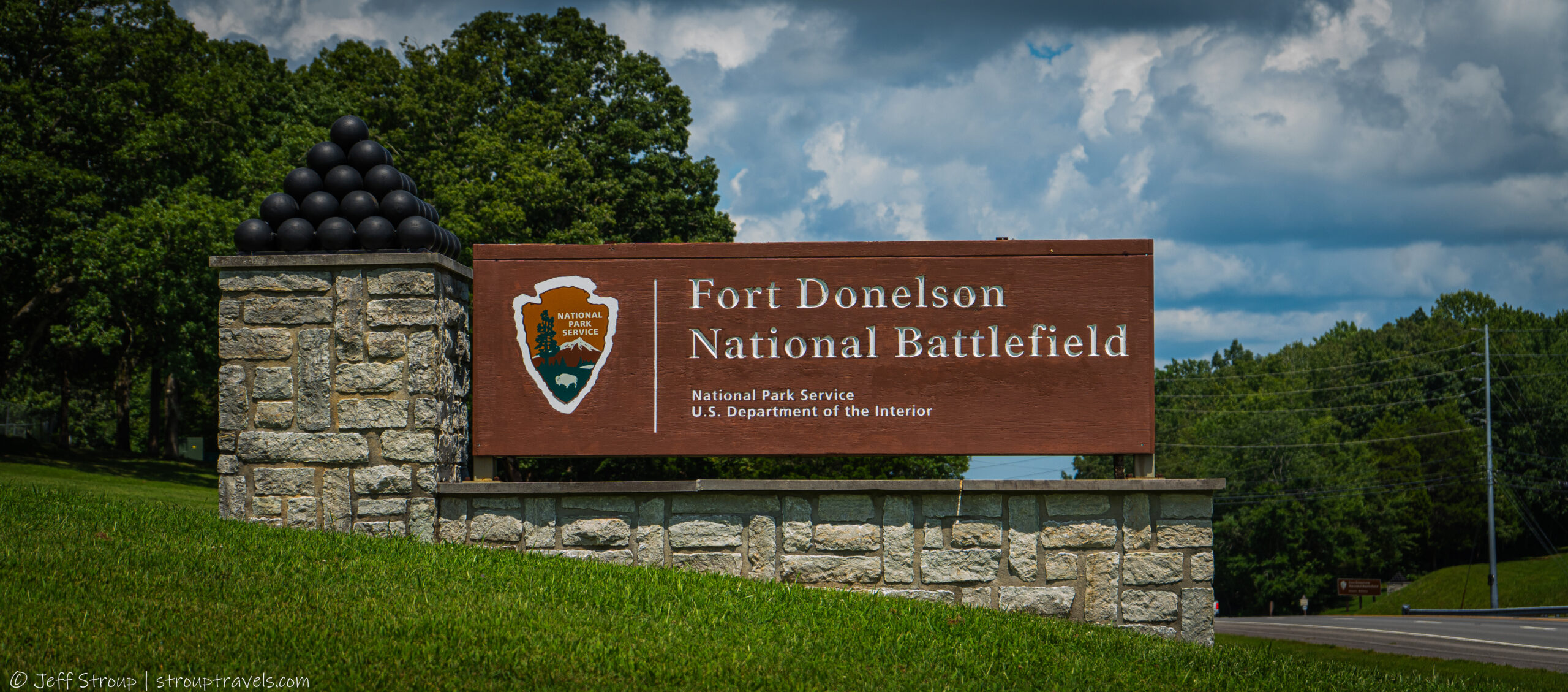
Fort Donelson National Battlefield
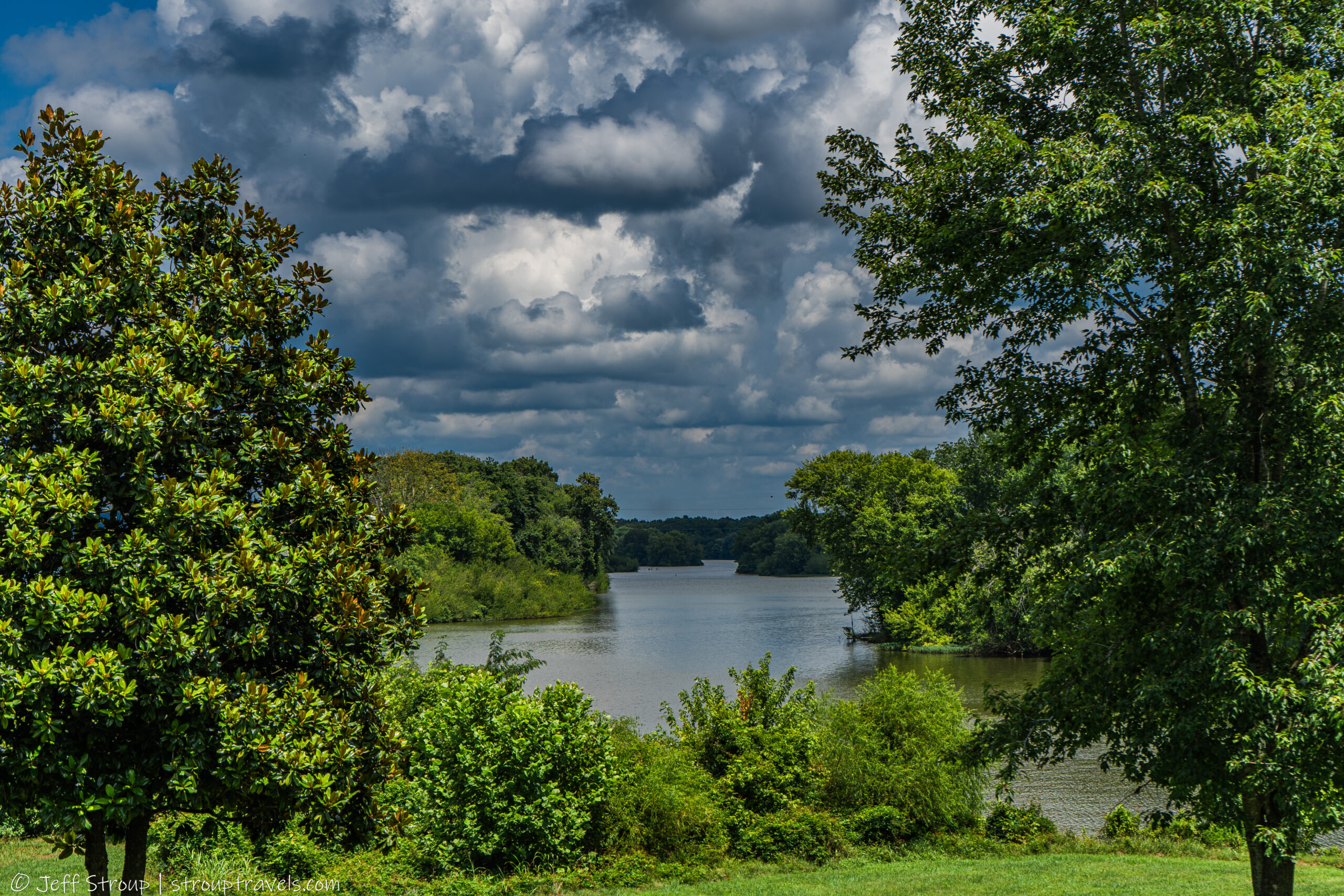
Fort Donelson does not have the scale of Shiloh, but it carries weight. The Cumberland River views are stunning, and the Dover Hotel still stands as the surrender site that changed the war.
This stop is quieter, more compact, and easier to cover in a couple of hours.
Full guide:
Fort Donelson National Battlefield: Raw History and River Views Worth the Stop
Related posts:
- How to Visit Fort Donelson
- What Nobody Tells You About Fort Donelson
- Untold Stories of Fort Donelson
If you are road-tripping between Nashville and western Tennessee, this is an easy, meaningful detour.
Tennessee Travel Guide: Historical Plantations and Battlefields in Tennessee
Are there historical plantations and battlefields in Tennessee? Yes.
Tennessee has both preserved Civil War battlefields and historic plantation properties open to visitors. The state was one of the most contested during the war, which is why places like Shiloh, Fort Donelson, Stones River, and Franklin still draw people who want to stand where events actually unfolded.
If you are focused specifically on battlefield parks, start with the full breakdown here: Civil War Sites in Tennessee.
But Tennessee history is not limited to troop movements and artillery lines.
There are also preserved plantation homes and estates that reflect pre-war Southern life and the transition through the Civil War era. One example is Rippa Villa in Spring Hill. Built in the mid-1800s, the home played a role during the Franklin campaign and the Battle of Spring Hill. It is preserved and open for tours, offering insight into architecture, land ownership, and civilian life during one of the most volatile periods in Tennessee history.
Battlefields show you strategy and consequence. Plantation sites add social and economic context. They are different experiences, but together they create a fuller picture of Tennessee in the 1800s.
More detailed plantation coverage is coming soon.
Tennessee Travel Guide: Lewis County, TN
Lewis County sits quietly along the Natchez Trace about 1.5 hours southwest of Nashville. It’s home to the public-facing Elephant Discovery Center, short waterfall hikes like Fall Hollow, the Meriwether Lewis Monument, and some of the most peaceful stretches of the Parkway. This isn’t a nightlife stop. It’s a reset stop. If you’re driving the Trace, it’s worth pulling off here.
Lewis County TN Travel Guide: Natchez Trace & Elephants
Tennessee Travel Guide: Waterfalls Along the Natchez Trace
The Natchez Trace Parkway cuts through Tennessee like a scenic spine. It is one of the most underrated drives in the South.
Inside this Tennessee Travel Guide, you will find two short waterfall hikes worth stacking into the same day.
Fall Hollow Trail
Fall Hollow is short, slightly rugged, and worth pulling over for. The waterfalls are not massive, but they are layered and tucked into the woods in a way that feels hidden.
It is a 40-minute round trip if you take your time.
Full breakdown:
Exploring Fall Hollow Trail on the Natchez Trace Parkway
Additional guides:
Parking is limited. Shoes matter. Mud is real.
Jackson Falls
Jackson Falls is paved, family-friendly, and easier. It is more accessible and has more parking, but it lacks the raw feel of Fall Hollow.
Still worth seeing if you are already on the Trace.
Full review:
Jackson Falls: A Quick Stop on the Natchez Trace
Comparison:
If you only choose one, Fall Hollow wins. Every time.
Tennessee Travel Guide: Tennessee Road Trip Strategy
Tennessee is best done by region. Do not try to cram the entire state into one weekend. It take 4 hours to travel between Knoxville and Nashville.
West Tennessee
Shiloh
Mississippi River views
Rural Civil War terrain
Middle Tennessee
Fort Donelson
Natchez Trace waterfalls
Rolling farmland and river bluffs
Lewis County, anchored by Hohenwald, is a low-key Natchez Trace stop. It is home to the Elephant Sanctuary’s public Discovery Center and several of the Trace’s better short hikes. It is not a nightlife town, it is a reset town.
Nashville, where you’ll most likely start if flying into Tennessee. This is a nightlife, more like all day town. You’re either hear to party or to check out the city.
You can combine:
- Shiloh + Fort Donelson in a long weekend
- Fall Hollow + Jackson Falls in a half-day stop
- Natchez Trace scenic driving with battlefield history
- Nashville deserves to stand on it’s own. You can easily spend a few days.
This Tennessee Travel Guide is built to let you stack stops logically instead of zigzagging blindly.
Tennessee Travel Guide: Know Before You Go
- Most battlefields are free
- Parking is free at most sites
- Trails close at dusk
- Summer humidity is brutal
- Winter gives you clearer photography views
- Cell service can drop in rural areas
Plan fuel stops. Rural Tennessee does not care about your range anxiety.
Tennessee Travel Guide: Traveler’s Checklist: Tennessee Travel Guide
- Bring real shoes for waterfall trails
- Bring water even on short hikes
- Budget 2–4 hours for major battlefields
- Expect minimal crowds outside holidays
- Download maps offline
- Bring your National Parks Passport Book
- Respect cemeteries and memorials
Tennessee Travel Guide: Where to Stay
If you are planning a Tennessee road trip, look for:
- Hotels in Columbia, TN (central access to Natchez Trace)
- Lodging near Dover, TN (Fort Donelson access)
- Jackson, TN stays (good Shiloh base)
- Nashville rentals if flying in
Is Tennessee Worth Visiting for History?
Yes. Absolutely.
Tennessee is one of the most important Civil War states in the country. It does not get the same hype as Gettysburg, but the impact here was just as severe.
If you want flashy monuments and bus tours, you might leave disappointed.
If you want quiet fields where 20,000 men fell in two days, you will not forget it.
Final Thoughts on This Tennessee Travel Guide
This Tennessee Travel Guide is not about gimmicks. It is about standing in places that matter.
Battlefields that changed the country.
Waterfalls that cut through ancient stone.
River bluffs that still overlook history.
Cities that don’t sleep.
More Tennessee deep dives are coming. This page will expand as new locations get added.
For now, start with Shiloh. Then drive the Trace. Then let the state show you what it has been holding for 160 years.
Quick Questions About Visiting Tennessee
Are there historical plantations in Tennessee?
Yes. Sites like Rippa Villa in Spring Hill preserve pre-war architecture and Civil War-era history.
How many Civil War battlefields are in Tennessee?
More than any other state. Major sites include Shiloh, Fort Donelson, Stones River, and Franklin.
Are Tennessee battlefields free to visit?
Most National Park Service sites are free, including Shiloh and Fort Donelson.
Is Tennessee good for a history-focused road trip?
Absolutely. The state’s battlefields and historic towns are spread out but manageable by region.