There are places where you take photos for fun and then there’s Arlington National Cemetery, where you take them because standing still isn’t enough. Every shot I took here felt like I was trying to bottle silence.
This wasn’t a typical photo walk. It was more like a quiet conversation with history.
The Weight Behind the Lens
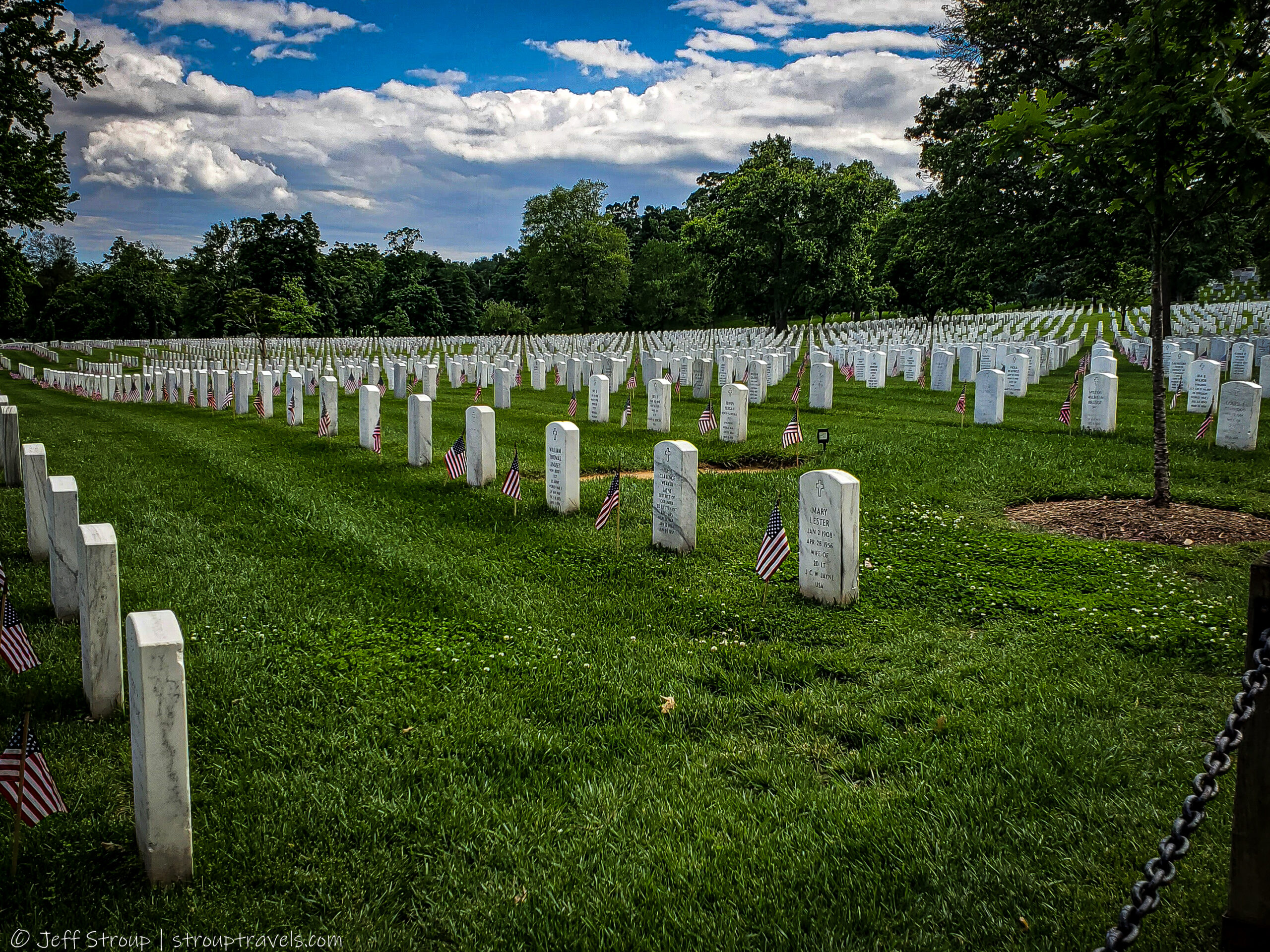
When you lift your camera, in my case, my phone inside Arlington, you immediately realize this isn’t your average travel shoot. Every frame feels sacred. Every shutter click, a whisper. The rows of headstones seem endless, perfectly aligned like soldiers still standing guard.
The first photo I took wasn’t of a monument. A single flag stood beside the grave of Harry Samuel Kohler, a corporal in the U.S. Army who served in World War I. That image, subtle sunlight hitting marble, the flag rippling softly, said more than any statue ever could.
Why These Photos Hit Different
These photos aren’t dramatic or staged. There are no perfect golden-hour compositions or saturated skies. They’re imperfect, a little grainy, some slightly off-balance. Because that’s how grief and gratitude feel, not polished, but real.
That’s the thing about Arlington National Cemetery photos: they don’t need editing. The place edits you.
The Eternal Flame and the Endless Rows
JFK’s eternal flame is everything you expect, but standing there, you realize how small it actually is. A tiny flicker surrounded by stone and silence. The light isn’t grand, but it’s steady. I framed it wide to show how the flame feels compared to the vastness of loss around it.
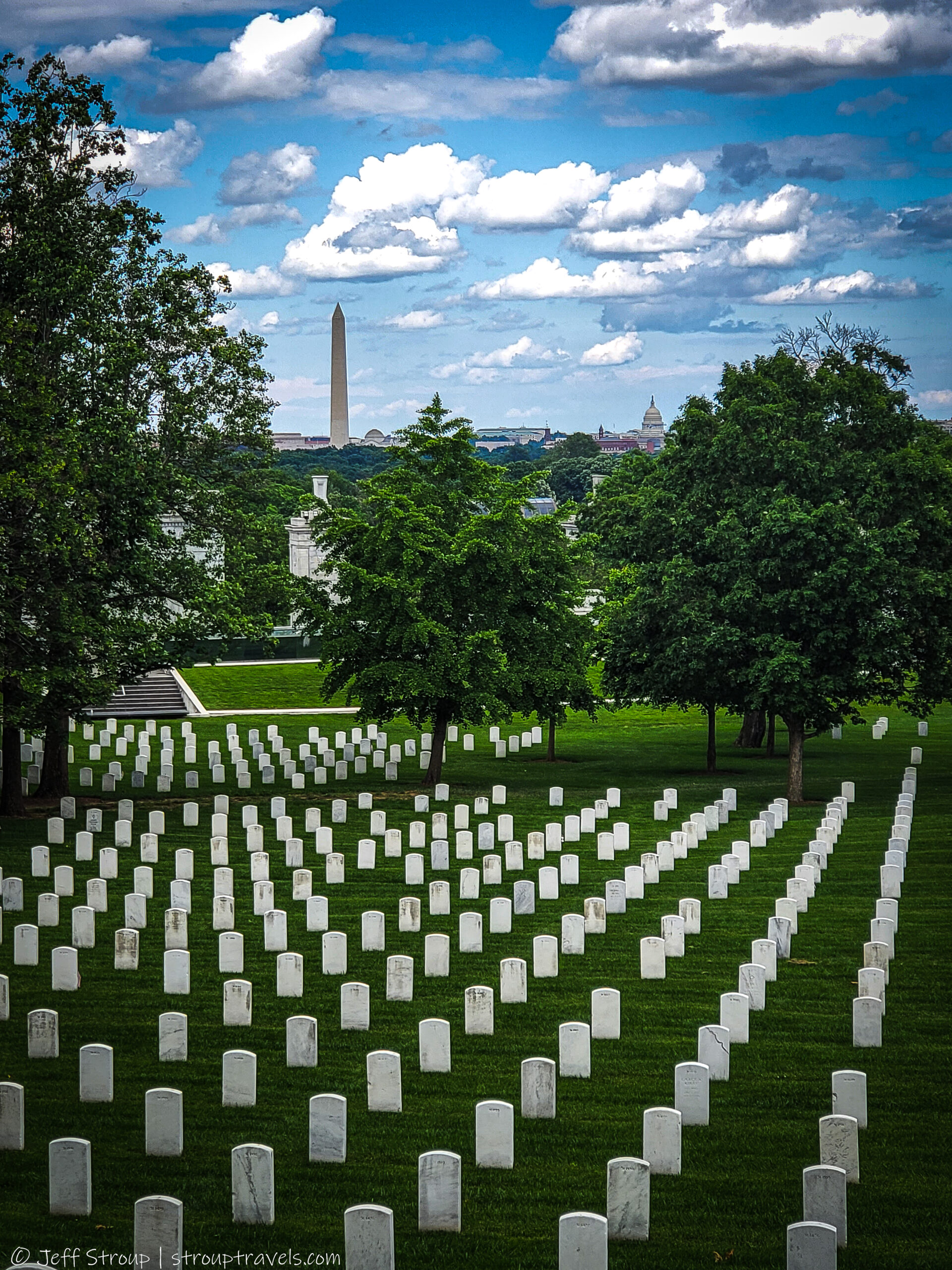
And then there are the rows, endless rows. They don’t hit you until you start walking uphill and look back. I snapped one photo from the rise near Section 60, where the sun filtered through trees. Thousands of names. Thousands of stories. And not nearly enough time to process any of them.
The Tomb of the Unknown Soldier
Photographing the Tomb feels almost wrong, but also impossible not to do. The guards move with precision that borders on spiritual. I took one photo , slightly zoomed in, just enough to show the symmetry of their march. Plus, given the location and space I had, this shot worked.
You could hear a pin drop between steps. Everyone in the crowd just froze. And I remember thinking: no photo can do this justice, but at least it’ll remind me how it felt to stand there.
The Story in the Small Details
The big memorials get the love, but it’s the details that linger. The worn path between graves. A coin left on a headstone. The curve of a hill where the wind picks up every flag in unison.
Those are the moments that make you lower your camera and just breathe. Because sometimes the best photo you can take is the one you don’t.
How I Shot These at the Time
Gear talk, for those curious, this was before I got my Sony a7 IV:
- Camera: Samsung Galaxy Note 10
- Lens: default
- Settings: auto
- Editing: Minimal — contrast, shadows, clarity only
If you’re shooting Arlington National Cemetery photos, bring something quiet. No clicking, no flashes, no obnoxious tripod setups. You’re not at a fashion shoot. Respect is your best equipment.
Final Thoughts
I didn’t go to Arlington planning to take photos. But I left knowing I’d captured something that wasn’t about me, it was about us. The collective memory of sacrifice, frozen in marble and light.
Arlington National Cemetery photos aren’t about photography skill. They’re about empathy, silence, and timing, catching that single second where history exhales and lets you see it.
Explore the Full War & Memory Photo Collection
See the complete Arlington National Cemetery photo series, available for editorial and commercial licensing.
View the full collection